Featured

Gender Equality and Male…

India is believed to be a male-dominated country where every society is patriarchal in nature. Society believes that men have been dominating women forever. Even after decades have passed to an extent we can still find the fact in existence. But when it comes to law is India really male dominating country?

Gender Equality

When we say or talk about gender equality all we consider is equality for women.. Crime against men or equality for men is not something in common, that we get to see or read on a regular note. Not so surprising but most of the time men refuse to come up about it. Even Indian laws are not so supportive regarding crime against men. Thus, such matters remain unreported and unsupported.

We often raise voices for the equality of women and I totally stand for it.   all these we forget that men can be victims of sexual abuse too. Indian legislation has neglected the fact that men too can be a victim of sexual violence and assault And if we talk about equality then does equality really exist? For example- We have seats reserved for ladies on a public bus, what about a man who might be suffering from a high fever and needs a seat immediately. We stand together if injustice has been done to a woman but none comes forward when the same has been done to men. I question again “Is India really a male-dominated society”?

While talking about law, then Section 375 of IPC deals with rape and legal provisions against it but mentions nothing against men. Nonetheless, it impersonates that if a rape has been done then the woman is the victim and men is the culprit. Also, Section 354 A, 354 B, 354 C, and 354 D, dealing with sexual harassment, stalking, undressing, voyeurism, etc accept women as a victim and men as perpetrators.

There is a Section 377 of the IPC that deals with crime against men but that too is stultified as it only incorporates penile sexual intercourse and thus non-penile abuse victims are not presented before the law.

So, when we talk about gender equality we need to focus on the term ‘equality’. It’s high time now that we actually need to stand up for men and their rights. We can say that there are not many cases related to crime against men. The truth is there are not many people coming up to report the cases which is a harsh reality for many nations. The Indian people actually need to change the notion “men don’t cry”. They do but they don’t show up due to the mindset we have toward men. It would be quite unnatural for us if a man comes up and tells us that he has faced some kind of undesired sexual attitude from a person of the opposite gender.

Common Crime against Men-

Not very amusing to say, but yes men too can be rape victims where the perpetrator can be of the opposite gender or of the same gender too. But due to a lack of provisions in Indian legislation, men fear coming up and reporting and also they fear that they will be humiliated in society thus they prefer to stay quiet.

In many parts of the country, men are forced into marriage and they could not deny it as they are threatened with death. Might sound surprising, but this is the scenario of the present world. Innocent men are usually targeted and they are trapped for the rest of their life as they are forced to marry a girl they hardly know and then pressurised to look after her.

Domestic Violence

Who said that only female has to face domestic violence in their life. Men too can face domestic violence and they do face this in their day-to-day life. It is just that we stand up and fight for the wrong done to women and the same goes neglected for men. A number of domestic violence keep happening to a man around us which we don’t even realize.

False dowry cases

This is the most critical situation these days. Law takes strict actions against the one taking or supporting dowry. This was one of the best things done until and unless women started misusing the law in their favor. Women these days often register false dowry cases to threaten their husband and their family and also to get benefits of their marital life. The sad part is there are rare cases where a man can prove his innocence and mostly is found guilty despite doing nothing.    Though, the law in many states has made changes to verify whether a man is accused in such cases.

False rape and other charges

Usually, in rape cases, women are considered to be the victim and there are high chances of women getting the case in favor. If a woman reports a rape case, the culprit will immediately be taken into custody and will anyhow be looked down upon in society as Indian people stands for rape victims. Taking advantage of the strong feminism movement, there are women who report false rape cases intending to take revenge or any such grudges, etc. and thus many innocent men have to face punishment for things they did not do. Also, their whole life is a taint. Some even prefer to end up with their life.

MEN ARE SILENT- WHY?

I, have repeatedly mentioned that cases related to crime against men stay unreported and unregistered most of the time. Men usually do not come forward to fight for their justice. Have we ever wondered why? Let us know some of the reasons why men suffer silently:-

  • The prior reason is that they feel ashamed and thus do not report the cases.
  • Even if somehow they manage the fortitude against the wrong done to them, then comes the family who pressurizes the victim to stay quiet because they are men and cannot portray themselves as weak.
  • Then what about laws in India? Are they in support of male victims? The law which is made to safeguard the interest of women can be used to destroy the life of an innocent man by claiming false charges towards men.

These are some of the reasons why men prefer to stay quiet. Forget society, even the law which is said to be equal for all is not equal for men and women. Thus, to live a life of respect and stay away from court matters which will eventually end up in favor of women, men prefer to stay silent.

STAND FOR MEN TOO

Usually, men do not show up or come forward as they fear rejection and humiliation. Also, they are pretty aware of the fact that they have to face a lot of judgments and in the end, no one will believe them. Rather will be considered as the one making stories. The typical mindset we have for men has made disclosing facts even to families a very difficult task.

Well, in such a situation what can we do is follow some simple steps:

  • Listen to what they say because listening doesn’t cost but opening up needs a lot of guts. You can make them feel that they matter by listening to their problems.
  • Making them believe that you believe them is all you can do. They need justice too.
  • You can express your concern toward them which will eventually make them feel better.
  • You can help them by providing appropriate resources which can be difficult for them to reach.

These are the simple and the easiest thing one can do to make a man fighting for justice feel better. Even if he is not fighting for justice he will have the guts to open up and live a life of dignity. Equality is for all and each and everyone should get it.

CONCLUSION

Everyone is equal in the eyes of law and thus deserves to be treated equally. The stereotypical attitude towards the masculine gender needs to change. Men are not supposed to be weak but might fall weak at some point in time. They need listeners too. They cannot be strong all the time and it’s not that all the wrong done in a society is done by a man. Society sometimes needs to support a man just like they support a woman when it comes to justice. Gender equality means equality for all and not just for women. People need to get that straight in their minds and the world will be a better place to live in. Let, the true motive for the gender equality come into force.


The Dark Side of India’s Acquisition Wave: Less Choice, Higher Prices

You’ve probably noticed some of your favorite brands disappearing from stores recently. That trendy clothing store you loved in college? Bought out. The hip cafe down the street known for amazing chai and samosas? Now owned by a restaurant conglomerate. It seems like everywhere you turn, small businesses are being gobbled up by bigger companies in India’s acquisition wave. At first, it may seem exciting to get popular brands under one roof. But look closer. These acquisitions often mean less choice, higher prices, and a troubling trend of big companies controlling entire markets. The little guys who brought personality and competition are gone. Variety is vanishing. And you, the customer, are left with fewer options and a hit to your wallet. India’s acquisition spree may be great for big business, but for the rest of us, the future isn’t looking so bright.

The Recent Surge in Corporate Acquisitions in India

The recent surge in mergers and acquisitions in India is alarming. Major corporations are buying up smaller companies left and right, limiting consumer choice and driving up prices.

Over the last few years, the number of acquisitions by Indian companies has skyrocketed. Small startups are being gobbled up by industry giants before they even have a chance to compete. Instead of taking risks and innovating, big companies are taking the easy way out by eliminating competition.

For customers, this means less choice and less bargaining power. With fewer options, you have to pay the price set by the company that controls the market. Some acquisitions even result in lesser quality products and services over time due to lack of motivation to improve.

The Competition Commission of India has raised concerns about how these deals threaten fair competition in the market. Despite this, acquisitions continue to rise each year as companies strive to dominate their industries.

While mergers and strategic alliances are common in capitalist economies, the pace at which they’re happening in India could do more harm than good. Instead of encouraging innovation, they’re being used by companies as a tool to maximize profits through limited choice and higher prices.

Overall,acquisition wave in india may be good for big business, but its a bad news for customers and the economy. The consolidation of corporations is moving India closer to a monopolistic system where a few large companies exert control over the market. If this trend continues, fair competition and consumer welfare seem destined to suffer.

How Acquisitions Limit Consumer Choice

When big companies acquire smaller ones, it often means less choice and higher prices for us consumers. Take the recent acquisition of Zomato by Uber Eats. Now we have one less food delivery service to choose from, and Zomato will likely raise their fees over time without the competition.

These kinds of buyouts and mergers are happening across industries in India, from retail to telecom to air travel.

As companies join forces, they corner more of the market and gain more control over pricing. Some major acquisitions threaten to create virtual monopolies in their sectors. The Competition Commission of India has warned that this trend could negatively impact competition and consumer welfare in the long run.

For customers, it translates into fewer options to choose from and less incentive for companies to keep prices low or offer the best experience. We are already seeing some brands hike up rates right after an acquisition. And when a company takes over, they often discontinue certain products or change policies in ways that benefit them, not us.

While acquisitions may sometimes drive more efficiency, innovation, or better service, they usually come at the cost of competition. The reality is that corporate mergers often do more for companies,the bottom lines than for consumers best interests. So next time you hear about a big acquisition affecting a service or product you use, brace yourself for the consequences to your wallet and options. The free market in India is consolidating, and w are the ones paying the price.

Higher Prices: The Hidden Cost of Less Competition

With fewer companies competing in the market, the pressure to keep prices low disappears. Companies that have gained a monopoly over a sector or region can raise prices without fear of losing customers to competitors. For consumers, this means higher costs of living and less choice in where they spend their money.

Take the example of airline mergers in India. As major airlines like Jet Airways and Kingfisher Airlines have folded or been acquired, passengers have seen ticket prices climb. The remaining airlines do not have motivation to lower fares or offer deals to attract customers when they dominate the market. This lack of competition allows them to raise rates to increase profits without repercussions.

The same scenario is playing out across various industries in India from telecom to retail. When large corporations acquire or force out smaller players, consumers lose options and leverage. Big companies secure their place as virtual monopolies, then hike up prices to make up for money lost in the battle for market control.

For customers, the hidden costs of reduced competition are steeper prices, less choice in products and services, and diminished incentives for innovation. Companies have little motivation to improve quality or lower costs when they have a captive market. Overall, widespread acquisition may be good for big business in the short term but bad for consumer welfare and India’s economy in the long run.

The Competition Commission of India has raised concerns about over-consolidation and its impact on fair market practices. However, more needs to be done to curb harmful concentration of power in major sectors and protect the interests of customers and citizens. Promoting healthy competition is key to keeping prices affordable, encouraging innovation, and safeguarding consumer choice.

In summary, reduced competition through frequent mergers and takeovers may lead to higher costs, less choice, and market inefficiencies that hurt India’s economy and quality of life for citizens in the long run. Competition is essential for keeping big business in check and ensuring a fair, balanced market that benefits both companies and consumers. Overall, the acquisition wave sweeping India has many hidden costs that policymakers and regulators must address to support a sustainable future of shared prosperity.

Emergence of Corporate Monopolies

With the recent wave of acquisitions in India, corporate monopolies are on the rise. As large companies gobble up smaller competitors, consumers are left with fewer choices and higher prices.

Less Competition

When companies merge or one buys out another, there are fewer independent players left in the market. With less competition, companies can raise prices without worrying as much about customers defecting to rivals. Recent examples in India include the consolidation of airlines like Jet Airways and Kingfisher Airlines, as well as bank mergers like HDFC and Satyam Computers.

Higher Prices

Without competitors nipping at their heels, large companies have more power to raise prices. Studies show that following mergers and acquisitions, the remaining firms often increase prices by significant amounts. For example, after the merger of HDFC and Satyam Computers, banking fees rose by over 20% the next year. Similarly, after several airlines merged in the early 2000s, domestic airfares climbed nearly 50% within 12 months.

Less Innovation

When a few big companies control an industry, they have little incentive to improve services or introduce new products. Why invest in innovation when customers have few other options? This can stifle progress that would benefit both companies and consumers in the long run.

Of course, some consolidation can achieve efficiencies and savings that are passed onto customers. However, the emergence of corporate monopolies often does more harm than good. The Competition Commission of India has raised concerns about reduced competition and is working to limit anti-competitive practices. More consumer choice and fair prices are better for economy and your wallet inn the long run. Overall, moderation and balance are key; too much of any one thing rarely ends well.

Time for More Robust Antitrust Regulations

As companies in India continue to acquire smaller rivals at a rapid pace, it may be time for more stringent antitrust regulations to prevent potential downsides for consumers.

Lack of Choice

When large companies buy out or merge with competitors, it often leads to less choice in the market. Fewer options mean less incentive for companies to keep prices low or innovate. Some acquisitions have even resulted in virtual monopolies where one company controls an entire sector.

For customers, less choice translates into higher prices and lower quality. The Competition Commission of India has raised concerns about how some acquisitions may reduce competitive pressure in the Indian economy. More active enforcement of antitrust laws could help curb anti-competitive mergers and protect consumer interests.

Move Towards Capitalism

Some analysts argue that India’s acquisition wave is pushing the economy closer to a capitalist model dominated by large corporations. As smaller companies are bought out, power is concentrated into fewer hands. Strict antitrust policies may be necessary to ensure healthy competition and protect small businesses.

Risk Aversion

Rather than taking risks to develop new products or expand into new markets, some companies opt to acquire already successful competitors. While acquisitions do present opportunities for growth, they can also reflect an aversion to risk that stifles innovation. Stronger antitrust enforcement may encourage more companies to take chances on developing competitive advantages through R&D and organic expansion.

Overall, India would benefit from more watchful regulators scrutinizing the competitive effects of mergers and acquisitions. Antitrust laws exist to promote fair competition and protect consumer welfare and should be actively enforced to prevent potential downsides like lack of choice, higher prices, and dampened innovation. What’s needed is a balanced, nuanced approach that still allows efficient deals to move forward. With the fast pace of acquisition in India, the time for more robust antitrust regulations may be now.

Conclusion

So what does all this mean for you as an Indian consumer? In short, less choice and higher prices. As companies gobble each other up, your options for goods and services decrease. And with less competition, companies can raise prices without worrying about losing your business.

AUTHOR-
Prof. Raman TIrpude
Assistant Professor of Management
Maharahstra National Law University Nagpur,
EX-ITCian, Ex-Marico…

CHAT GPT AND EDUCATION….

In the past few weeks, the chatbot Chat GPT (Generative Pre-Trained Transformer) has been gaining headlines as a possible rival to writers of all kinds, from journalists to academics. Created by Open AI, a company founded in 2015 with investments from Elon Musk and Peter Thiel, the chatbot has been released for public trial. Responding to questions and prompts entered by users, it uses artificial intelligence to generate writing of near-professional quality. Its strength lies in analyzing large amounts of data rather than composing imaginative text: when asked to write a poem about winter, the bot produced the rather less-than-impressive lines, “though it may be cold and dark/ It is a season that fills our hearts”. Nevertheless, the chatbot can take on the register of academic prose with uncanny credibility and can instantly, for example, write an original abstract for a research paper. This new technology stands to have a huge impact on academic publishing and the peer-review process.

While Chat GPT has been made available for us all to try, little about the software is public knowledge. Unlike previous advances in AI technology, Open AI has not published the technology behind the program in a peer-reviewed journal. However, the company’s ambitions for the technology are extensive and we should be ready to anticipate changes it might cause in the academic writing process. When asked “Will Chat GPT transform academic writing?”, the program responded, “GPT could potentially be used to generate drafts of papers or to assist with research by suggesting relevant papers or sources”. Chat GPT cannot create new ideas, but it can process any information from the internet prior to 2021 (it was ‘trained’ on information up to and including this year). This means that it could potentially enable researchers to generate papers more quickly and in greater volumes than ever before.

The chatbot can take on the register of academic prose with uncanny credibility and can instantly, for example, write an original abstract for a research paper

From a publisher’s perspective, this prospect is concerning. Chat GPT is currently unable to distinguish between fake and real information and will readily generate false citations and statistics. Improperly checked and even false research is already a problem in academic publishing, as the site Retraction Watch, which reports on papers that have had to be retracted, has shown. The climate in universities today demands vast quantities of publications in return for the promise of tenure. This pressure has already given rise to papermills, fraudulent organisations that produce and sell fabricated manuscripts to resemble genuine legitimate research. Academic publishers conduct vigorous checks, which increasingly involve the use of software and AI, to detect papermill activity. Researchers who turn to papermills to write their articles pay large sums of money for the service; with the advent of Chat GPT, which is currently free to access, it is likely that some researchers will be tempted to exploit the potential for a cheap and rapid way of generating papers.

From an academician perspective it makes me feel sceptical as it will directly give answers to my application-based questions which were basically making my student to think on and analyse the genesis of question and then respond to it. In many universities examinations are conducted on application-based question, this AI will provide an option to the student to directly paste the question on search bar and get the solution.

Even if well-intentioned researchers use the program as a virtual assistant, avoiding the rigorous process of researching and writing papers is likely to result in poor-quality or even false research. When researchers use research assistants, they enable a productive interchange of ideas between different levels of the academic food chain. Using Chat GPT to create a first draft of a research paper will impoverish the ecosystem of which the published paper forms only a small part. Moreover, with Chat GPT’s cavalier attitude towards facts, the peer-review process could become a complete minefield. Verifying a paper’s findings will become increasingly complicated, particularly since reviewers’ time is already stretched. While it is currently not difficult for a person to spot an abstract written by AI, the software is not far away from becoming able to fool a human reader. Indeed, when MBA students were asked to generate papers using the program at Wharton Business School, the University of Pennsylvania, they passed a screening by Turnitin. This anti-plagiarism software is a vital tool for academic journals when screening submissions: if AI programs can increasingly manage to pass plagiarism checks, they will rapidly become attractive to researchers looking to publish in a hurry.

Academic journals already contend with dishonest tactics in researchers’ attempts to publish large quantities of work. With this new technology, we may soon have to re-evaluate the editorial process to ensure that the quality of academic publishing is maintained. As the task of verifying authorship becomes increasingly complex, new strategies and technologies will be needed to help editors and reviewers identify when they are reading a computer-generated text. Data science is already an important tool in screening for papermills, helping editors to spot instances of unusual co-authorship or duplicate submissions. Further such checks, focused on verifying studies and citations, will become essential. We must remain informed and vigilant about AI writing software as it continues to develop, so that the quality of academic publishing can be maintained.

The introduction of ChatGPT – an AI tool developed by OpenAI that is able to write full-on student essays, elaborate codes, and even solve math problems once again stirs up the “AI versus education” debate. Institutions are caught up in the question: Is AI technology a threat to education?  

Teachers are concerned about students using the free and accessible tool as a Wikipedia replacement to complete homework and to write assignments for them, endangering students’ willingness to develop skills like writing and researching.

From an academician perspective it makes me feel sceptical as it will directly give answers to my application-based questions which were basically making my student to think on and analyse the genesis of question and then respond to it. In many universities examinations are conducted on application-based question, this AI will provide an option to the student to directly paste the question on search bar and get the solution.

Free, accessible tools which allow students to complete assignments without much effort raises concerns of cheating, academic disintegrity and above all, the loss of learning ability. Educators fear that students will become lazy thinkers, and fail to develop lifelong skills like critical thinking, researching, or writing

Before making the conclusion that AI has killed learning, it’s wise to question why students are resorting to AI to write their essays or other unethical practices since the dawn of time such as plagiarism or cheating during exams. One of the biggest tech spending during the pandemic was for proctoring solutions, and it’s hard to come by a university that is not already using a plagiarism checker. While these solutions and future ones for AI-powered essay writing may provide short-term solutions to the wound, it doesn’t touch the core problem: ChatGPT is not and will not be the last to disrupt the traditional learning practices, because the way we provide education does not inspire students to learn and there will always be some who look for an easy way out.

The AI tool also can write essays, blogs etc., for you. Many on twitter even had even shared their experience of Chat GPT and one such user used it for a question from her philosophy class. Chat PGT is potentially going to play a major role in the education field. It can create personalised teaching plans, could improve the quality of education and may also lead to students becoming over reliant on the tech but there are also cons to using the AI tool like not understanding the context, interpret tone and emotions, handle complex issues etc. Experts say that it could also hinder the student’s ability to solve their own problems. Chat GPT could be a worry for the teachers as it would leave no room for creativity. But also, experts say that students have to solve problems by looking for answers from the textbook and don’t have to give the exam online so they aren’t worried so much about it.

AUTHOR
MR.RAMAN R.TIRPUDE
ASSISTANT PROFESOR OF MANAGEMNT
MAHARASHTRA NATIONAL LAW UNIVERSITY
NAGPUR.

INDIA’S RELATIONSHIP WITH THE THIRD GENDER.

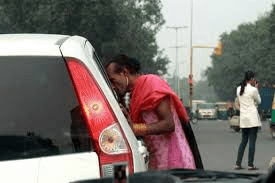
Every time a Hijra knocks on my car window and asks for money, my heart goes out to the thousands of members of the Hijra community waiting in the city lights. Most of them have left their homes and survive in begging, badai, and sex work with the parishioners of Guarana. Working at a traffic light in a city where even basic amenities such as washrooms were not provided for transgender people, I often wondered where they pee. How do they navigate an overcrowded public health system while following the steps and movements of people? How do they navigate our public transportation? Do they even have a bank account to put their savings in? Before they ponder these questions and dare to ask them, the light turns green and they keep walking. Of course, you can’t roll down your car windows.

For most of us, our interactions with people from the Hijra and Kinna communities are limited to short intervals, such as when we visit our homes for road signs, trains, or Badai. The Hijra community is very visible because no one can ignore it, and at the same time invisible because no one thinks of them. But gradually it started to shift gears. His 2014 NALSA v. Commonwealth of India ruling was a landmark reform giving equal rights to the transgender community. It was about gender self-determination, prevention of discrimination in all areas of life, and positive action for the community.

Five years later, the Transgender Rights Protection Act was enacted and its regulations were notified. A National Council for Transgender People was established. The Ministry of Social Justice and Empowerment, a node ministry of transgender welfare, has launched a national portal for transgender ID card applications, the SMILE program, Garima Gure, scholarships, and most recently the Ayushman Bharat TG Plus card which provides health insurance. of social measures. transgender people, including gender-affirming care; All this may sound like a staggering amount of progress as India celebrates its 75th anniversary of independence, but there is still work to be done.

Transgender laws and regulations leave much to be desired as they medicalize gender identity, reduce violence against transgender people, and lack the warnings mandated by NALSA rulings. With the rules being finalized two years after they were announced on September 29, many provisions that should have been implemented in those two years have yet to see the light of day. Many states and UTs have not yet issued regulations, have separate toilets for transgender people, and do not have gender-specific hospitals. It’s a shame that something as basic as a Transgender Welfare Board has not been established in many states and UTs.

It may be worth noting that the courts have done an astonishing job of exhausting the rights of transgender people. The Madras Supreme Court issued a series of rulings, reforming the curriculum for queerphobia, and banning conversion therapy. , issued a glossary of trans-sensitive media coverage and raised awareness in schools and police officers. Meanwhile, according to the 2011 census, only about 2% of the official tally of transgender people have been issued a transgender ID card and are eligible for various welfare schemes, from scholarships to health insurance. As we know, the implementation eats up breakfast plans.

It’s also worth noting how governments that hesitated to listen to their communities during the passage of transgender laws have swayed their stance on the rights of queer people. State actions, ranging from abstaining from the election of an independent UN expert on sexual orientation and gender identity, show a lack of comprehensive vision. It appears to have left its mark on the way health laws are developed. Transgender and queer people are systematically prohibited from seeking surrogacy, artificial reproductive techniques, or legal abortions.

AUTHOR-
Mr.Raman Tirpude
B.E, MBA( MAREKTING AND HRM).

Human Trafficking in India

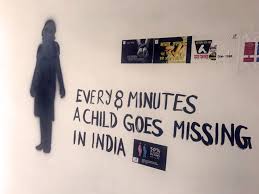
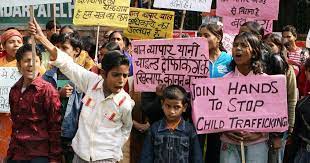
Trafficking means a trade which is illegal. Human trafficking is carrying out a trade on humans. Humans are trafficked for the purpose of sexual slavery, commercial sexual exploitation, extraction of organs or tissues, forced marriage, forced labor or domestic servitude. Human trafficking after drugs and the arms trade is the third largest organized crime across the world.

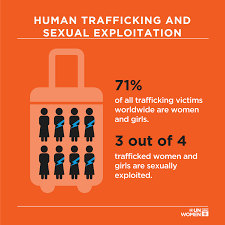
Human trafficking across the world is mainly done for sexual exploitation where women and children turn as victims to it. Human trafficking is done for a number of purposes but sadly in our country the act which exists against human trafficking is Immoral Trafficking Prevention Act (ITPA) and it only combats against the human trafficking if it is done for the purpose of sexual exploitation.

So the legal provisions relating to human trafficking as whole must be strengthened in order to prevent human trafficking in India. Human trafficking leads to violation of human rights of the individuals and also they are subjected to re-victimization. The laws for human trafficking must be strengthened that it meets all the requirements for preventing human trafficking.

What Is Crime?

The term Crime is derived from Latin word crimen meaning offence and also wrong-doer.
According to Blackstone Crime is an act committed or omitted in violation of Public Law forbidding or commanding it.
Criminology is the scientific study of crime, including its causes, responses by law enforcement, and methods of prevention. It is a sub-group of sociology, which is the scientific study of social behavior.

Reasons For Human Trafficking

There are many reasons for human trafficking. They are determined by political, economic and cultural factors. Trafficking in persons is according to the doctrine of supply and demand. Firstly, there are certain factors in the country such as need of employment, poverty, social conditions, instances of armed or war conflicts lack of political and economic stability, lack of proper access to education and information etc. Secondly, in developed and wealthy countries there is demand for inexpensive products, cheap labour and low priced services.

The organized crime groups have found an opportunity for making huge profits by connecting the supply and demand that by clubbing the first and the second instances. These reasons lead to increased migration but a condition of restricted migration due to numerous policies of the State. People use smuggling channels for human trafficking exposing themselves to exploitation, deceit, violence and abuse.

Consequences Of Human Trafficking

The victims in the process of trafficking in persons are abused and exploited in certain conditions which may result in short term and long term minor and severe psychological and physical attacks, diseases especially sexually transmitted diseases or HIV viruses. This condition can even lead to the permanent disability and death.

The direct consequences of human trafficking are aggression, depression, disorientation, alienation and difficulties in concentration. Many studies have shown that injuries and traumas acquired during the process of trafficking can last for a long period even after the person has become free from exploitation and this mainly occurs when the victim is not given with proper care and counsel.

Even the rehabilitation process for the victims cannot be guaranteed for a certain result. Although the victims are brought out from the physical problems, the trauma and the psychological problems does not allow the victim to totally recover from the consequences. Some of the victims find it difficult to adapt to the normal lives that they previously carried out.

The sad part about the victims of human trafficking is that the rights of the victims are violated even after they come out from the status of exploitation. In many cases they face re-victimization. In many of the countries the protection provided to the trafficked persons is directly conditioned by their willingness to cooperate with the competent authorities. But these conditional protection is contrary to the full access and protection of human rights and the use of trafficked persons as an instrument in the criminal proceedings are not allowed.

Legal Frameworks To Counter Human Trafficking In India

Indian Penal Code 1860:

Interestingly the Indian Penal Code which came into existence in 1860 addresses the problem of human trafficking in human beings. It is addressed in Section 370 and 370 A of the Indian Penal Code. It prohibited trafficking of women and girls and prescribed ruthless punishments for the criminals. It lays down that anyone who buys or sells the person under the age of 18 years for the purpose of prostitution and for sexual exploitation and for other immoral purposes shall be liable to imprisonment for up to 10 years and also be liable to fine.

It also recognizes cross border trafficking into prostitution and whoever imports into India from any country outside India any girl under the age of twenty one years with the intent that she may be, or knowing it to be likely that she will be, forced or seduced to illicit intercourse with another person shall be punishable with imprisonment which may extend to ten years and shall also be liable to fine.

Constitution of India, 1949

The Indian Constitution of India prohibits trafficking in persons and guarantees many of the internationally acknowledged various human rights norms such as the right to life and personal liberty, the right to equality, right to freedom, the right to constitutional remedies. The right to be free from exploitation is also assured as one of the fundamental rights of any person living in India.

The Juvenile Justice (Care and Protection of Children) Act, 2000
According to this Act there is no difference between a minor and a child. All the persons under the age of eighteen years are considered children. A child who is a child in need of care and protection (National Legal Research Desk 2016)

The Scheduled Castes and the Scheduled Tribes (Prevention of Atrocities) Act, 1989
Many victims of trafficking belong to marginalized groups. Traffickers target only such area which is backward in social and literacy sense. This gives an additional tool to safeguard women and young girls belonging to scheduled Caste and scheduled Tribes and also to create a greater burden on the trafficker or offender to prove his lack of connivance in the matter.

If the offender has the knowledge that victim belongs to these communities then this act can be effectively used to counter the offence of trafficking. Section 3 of this act deals with atrocities committed against people belonging to Scheduled Caste and Scheduled Tribes. It covers some forms of trafficking such as forced or bonded labors and sexual exploitation of women. A minimum punishment of ix months is provided which may extend to five years if the offence is covered under section 3.

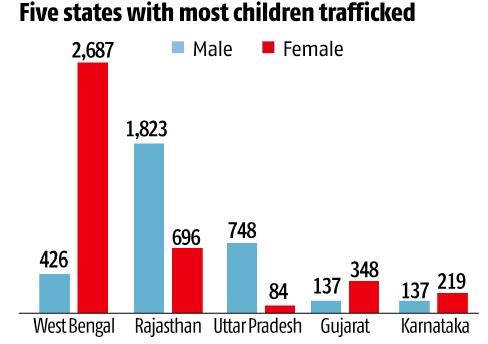
2018 data children trafficked

Immoral Traffic Prevention Act 1986

The government of India ratified the International Convention for the Suppression of Immoral Traffic in persons and the exploitation of the Prostitution of others in 1950. As a consequence of this ratification of the convention the Government of India passed the Suppression of Immoral Traffic in Women and Girls Act (SITA) in the year 1956. In the year 1986 the act was further amended and changed which was known as the Immoral Traffic Prevention Act, 1986 (PITA).

Conclusion
The laws for human trafficking must be strengthened that it meets all the requirements for preventing human trafficking. People who are in poverty line across the country must be made aware about human trafficking and its consequences in order to prevent them from becoming victims. Many national and international seminars and conferences can be conducted across the country so that the general people and the government can join hands to prevent human trafficking.

The vulnerable sections of the society must be protected by the Government so that they don’t fall as victims to human trafficking. The victims of the human trafficking are only the persons from below poverty line so the offence of human trafficking can be greatly prevented if the Government helps the poor sections of the society and provides them with adequate education and employment

AUTHOR
Mr.Raman R.Tirpude
BE,MBA
Co-editor-YUVA Weekly newspaper
Volunteer -Central Human Rights commission New Delhi.

causes of employee turnover (and how to prevent them

High employee turnover is the scourge of many organizations: it’s costly, time-consuming, and can totally destroy morale. This article looks at some common causes of employee turnover, and explains how they can be prevented or avoided

Employee turnover describes the number or percentage of employees who leave your organization and will need to be replaced. There are employees who leave for their own reasons (voluntarily) and those who are let go (involuntarily). This article will cover the employees who leave on their own accord.

Why? Because a persistently high voluntary turnover rate can cause a lot of strain on even the most robust organizations. It’s costly, time-consuming, and can have a detrimental effect on your people’s morale.

More importantly, high voluntary turnover is usually a symptom of deeper organizational problems that need to be addressed.

So, why are your people fleeing your organization? Although we’d like to think our people are reluctant to leave our organization, except perhaps to progress in their careers, more often than not it’s poor employee experience that’s driving them away.
Although turnover drivers may look and feel different company by company, there are a few common threads that start to crop up. In this article we’ll look at five major causes of employee turnover and explain how you can prevent them before it’s too late.

  1. Toxic culture

One of the most common yet often misunderstood causes of employee turnover is poor culture fit. And no, I don’t mean an employee who doesn’t fit in with the workplace culture; I mean a culture that doesn’t fit its people. In other words, the type of corporate culture that sabotages morale, scares away new talent, and actively drives away its best people.
If an organization exhibits some of the tell-tale signs of a toxic culture, retention rates will suffer. That company might have the best possible people for the job, but those people will run for the hills as soon as they connect their increasing stress levels, tanking physical and mental health, and eroding motivation with their toxic culture.

Self-preservation will always trump a worker’s commitment to their employer, and people are only going to put up with so much.

Solution: This is one of the more difficult to prevent causes of employee turnover. Contrary to popular belief, toxic culture doesn’t arise from a few bad seeds. Rather, it’s the result of leadership ignoring or refusing to acknowledge the signs that something’s amiss.

One way to confront this problem is to regularly perform a comprehensive culture audit. This helps your organization identify common issues, track their origins, and start making changes and (hopefully) improvements. It’s up to leadership to listen—really listen—to people at every level in the organization. They’re your best asset when it comes to diagnosing what’s going haywire at your organization.

  1. Lack of purpose or meaning

People want their work to have meaning, or at least some kind of purpose. Working with a shared purpose can increase motivation and performance, not to mention create more cohesive teams.

And this doesn’t have to mean saving the planet or working towards world peace. It can be as simple as a shared vision or working towards a common goal. In fact, 9 out of 10 people are willing to sacrifice at least part of their current salaries to do more meaningful work.
Unfortunately it’s sometimes difficult to locate a sense of meaning or purpose at some companies, and this can drive people to find work elsewhere. It can be the nature of the work itself or it could be that some organizations just aren’t skilled at creating a culture of meaningful work. Either way, something probably needs to change.

Solution: Transparency is key. Being as open and transparent as possible about big picture company goals can help create a shared vision and sense of purpose. Recognition is also important. If your people aren’t hearing how their good work is paying off, they’re quickly going to lose interest. By publicly recognizing individual and team achievements, you remind each member of your organization that their job matters—that their work on day-to-day tasks helps achieve larger goals.

Most importantly, give your people something to believe in. Just make sure that it’s authentic and not forced.

  1. Overwork

Too much work and, subsequently, too much stress is also a major factor in an employee’s decision to leave your organization and find work elsewhere. Sadly, overwork isn’t uncommon—it’s the norm. According to reports, 53% of American workers are overworked and burned out.

Overworked employees are prone to illness, high stress, absenteeism, and in some cases, burnout and depression. In fact, working over 55 hours in a week is extremely bad for you in many ways.

As if that’s not enough, overworked employees are not good for your organization’s bottom line. But the bottom line of your business is undoubtedly the last thing on theoverworked, depressed, burned out employee’s mind as they browse new job postings

Solution: If you notice people staying far later than they ought to be, coming in on weekends, and working at all hours of the day, you’ve got a problem on your hands. To prevent or fix this, you’ll first need to determine why your people are overworked. Does your company have enough resources, unrealistic deadlines, too much volume, lack of training to do the job efficiently? Pinpoint the root cause and make changes, fast.

Sometimes it’s as simple as asking overworked employees if they need help.You can also praise employees who prioritize their work-life balance and discourage staying late.

  1. Boredom

On the other hand, a lack of challenging or engaging work is also a major cause of employee turnover. In other words, boredom.

Employees grow bored with their work for a number of different reasons. If they feel that their capabilities are underused or their job lacks meaning, boredom can set in. But so can a mismatch between their interests and the type of work they do or company they work for. In some cases, bored employees are more stressed than overworked employees.

It’s no wonder boredom can drive employees to look for new work.


Solution: How you deal with bored employees depends on their reason for their growing bored in the first place. Are they finding their jobs too simple and monotonous? Give them a new challenge. Do they feel like they’re stagnating in their current role? Provide them with new training and education opportunities, send them to a conference, or enroll them in manager training.

Whichever solution you decide on, it’s important not to attack the problem as if the employee is to blame. Chances are they’re bored for a legitimate reason, and it’s up to you to find out how you can help.

Author-
Mr.Raman Tirpude
BE,MBA,
Sub editor-YUVA weekly newspaper

COVID-Dreadful situation…….

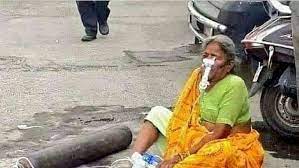
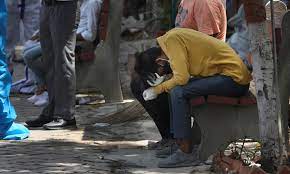
There is a stench rising, as people queue up in almost all major cities across India in search of Medical Oxygen as the number of dead rises. Devastating scenes emerge all across the country of dying people, patients gasping for breath, wailing relatives. I too have lost a close relative, a young man, a couple of days back. The young guy had his whole life ahead of him. I cannot claim that he suffered from the non-availability of oxygen or medicine. He did not. He died because the disease if too horrible and the worse thing is that it has brought our primal fears out in open

When the time is too tragic, there is no space for emotional commitments, we stay stuck in our cages of security, however ephemeral it might be. There won’t be anyone except the nearest one to risk the disease and bid the goodbyes. He was cremated by his mother, a solitary woman alone in her grief. After cremation, she did not get a shoulder to cry on, but a quarantine to handle the grief of losing her son, alone. Such is the disease and one has little choice but to suffer in silence. The devastations Covid is leaving across the Globe will take centuries to heal and the scars it will leave on human souls will forever torture us. 

In such times, as the families stand stark naked abandoning the pledges of never abandoning one another, the nations, the continents and the worlds are falling apart. We look at others with suspicion, we no longer hold hands even of those we know, we shrink away when someone coughs around us. Every day of the pandemic takes away some pretence of human value that we took pride in across the centuries of our evolution as species. When emotions cause discomfort and pain, it is the truth that is the only healer. It is fact and objectivity that holds us together and as the Hindu thought says, the Dharma at a very fundamental level is nothing but the truth. 

Facts always present a counterpoint. For every shrinking human touch are those struggling men and women clad in their PPE kit, afraid but determined to take care of the flood of the sick, day after day. For every scared soul, there are brave men in uniform advising, urging and begging us to help beat the pandemic. For every woke elite lamenting their lost foreign vacations, there are women manning the Petrol pump, driving the trains, connecting the people, working on the vaccines, cleaning the streets and keeping the cash counters clicking, so that the Economic wheels of the world keep rotating. When things are falling apart, it is the job of media and leaders to keep hopes afloat.

Facts will hurt, so does fiction. Facts, however, when confronted will give us perspective and stop hurting. Fiction will continue to hurt us.

Conclusion

 I wanted  to talk about political parties and blame games but this is not the correct time .Only request to all the political parties and so called leaders please stop blame games and come together for saving lives. People are in deep need of help dying because of unavailability of oxygen or bed  which is really shameful and heartbreaking. Health Workers are giving their services for 24 hours,and risking their lives.We need to support them.

Lastly , Whatever help as an individual you can provide please do come forward and help each other .Its not going happen that every time government will come forward and provide help. As a member of society we also need to understand our responsibilty .

Author-
Mr.Raman Tirpude
BE ,MBA
Sub editor-‘YUVA’ weekly newspaper
Volunteer-National Human Rights Commission,New Delhi.

(COVID‐19) pandemic’s impact on mental health

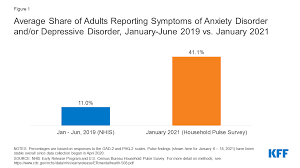
Throughout the world, the public is being informed about the physical effects of SARS‐CoV‐2 infection and steps to take to prevent exposure to the coronavirus and manage symptoms of COVID‐19 if they appear. However, the effects of this pandemic on one’s mental health have not been studied at length and are still not known. As all efforts are focused on understanding the epidemiology, clinical features, transmission patterns, and management of the COVID‐19 outbreak, there has been very little concern expressed over the effects on one’s mental health and on strategies to prevent stigmatization. People’s behavior may greatly affect the pandemic’s dynamic by altering the severity, transmission, disease flow, and repercussions. The present situation requires raising awareness in public, which can be helpful to deal with this calamity. This perspective article provides a detailed overview of the effects of the COVID‐19 outbreak on the mental health of people

A pandemic is not just a medical phenomenon; it affects individuals and society and causes disruption, anxiety, stress, stigma, and xenophobia. The behavior of an individual as a unit of society or a community has marked effects on the dynamics of a pandemic that involves the level of severity, degree of flow, and aftereffects.

1 .Rapid human‐to‐human transmission of the SARS‐CoV‐2 resulted in the enforcement of regional lockdowns to stem the further spread of the disease. Isolation, social distancing, and closure of educational institutes, workplaces, and entertainment venues consigned people to stay in their homes to help break the chain of transmission.

2 .However, the restrictive measures undoubtedly have affected the social and mental health of individuals from across the board.

  1. As more and more people are forced to stay at home in self‐isolation to prevent the further flow of the pathogen at the societal level, governments must take the necessary measures to provide mental health support as prescribed by the experts.
  2. The psychological state of an individual that contributes toward the community health varies from person‐to‐person and depends on his background and professional and social standings.
  3. .Quarantine and self‐isolation can most likely cause a negative impact on one’s mental health. A review published in The Lancet said that the separation from loved ones, loss of freedom, boredom, and uncertainty can cause a deterioration in an individual’s mental health status.
  4. To overcome this, measures at the individual and societal levels are required. Under the current global situation, both children and adults are experiencing a mix of emotions. They can be placed in a situation or an environment that may be new and can be potentially damaging to their health.

CHILDREN AND TEENS AT RISK

Children, away from their school, friends, and colleagues, staying at home can have many questions about the outbreak and they look toward their parents or caregivers to get the answer. Not all children and parents respond to stress in the same way. Kids can experience anxiety, distress, social isolation, and an abusive environment that can have short‐ or long‐term effects on their mental health. Some common changes in children’s behavior can be 8 :

Excessive crying and annoying behavior

Increased sadness, depression, or worry

Difficulties with concentration and attention

Changes in, or avoiding, activities that they enjoyed in the past

Unexpected headaches and pain throughout their bodies

Changes in eating habits

To help offset negative behaviors, requires parents to remain calm, deal with the situation wisely, and answer all of the child’s questions to the best of their abilities. Parents can take some time to talk to their children about the COVID‐19 outbreak and share some positive facts, figures, and information. Parents can help to reassure them that they are safe at home and encourage them to engage in some healthy activities including indoor sports and some physical and mental exercises. Parents can also develop a home schedule that can help their children to keep up with their studies. Parents should show less stress or anxiety at their home as children perceive and feel negative energy from their parents. The involvement of parents in healthy activities with their children can help to reduce stress and anxiety and bring relief to the overall situation.


3. ELDERS AND PEOPLE WITH DISABILITIES AT RISK

Elderly people are more prone to the COVID‐19 outbreak due to both clinical and social reasons such as having a weaker immune system or other underlying health conditions and distancing from their families and friends due to their busy schedules. According to medical experts, people aged 60 or above are more likely to get the SARS‐CoV‐2 and can develop a serious and life‐threatening condition even if they are in good health.

Physical distancing due to the COVID‐19 outbreak can have drastic negative effects on the mental health of the elderly and disabled individuals. Physical isolation at home among family members can put the elderly and disabled person at serious mental health risk. It can cause anxiety, distress, and induce a traumatic situation for them. Elderly people depend on young ones for their daily needs, and self‐isolation can critically damage a family system. The elderly and disabled people living in nursing homes can face extreme mental health issues. However, something as simple as a phone call during the pandemic outbreak can help to console elderly people. COVID‐19 can also result in increased stress, anxiety, and depression among elderly people already dealing with mental health issues

Family members may witness any of the following changes to the behavior of older relative

Irritating and shouting behavior
Change in their sleeping and eating habits

Emotional outbursts

The World Health Organization suggests that family members should regularly check on older people living within their homes and at nursing facilities. Younger family members should take some time to talk to older members of the family and become involved in some of their daily routines if possible.

4. HEALTH WORKERS AT RISK

Doctors, nurses, and paramedics working as a front‐line force to fight the COVID‐19 outbreak may be more susceptible to develop mental health symptoms. Fear of catching a disease, long working hours, unavailability of protective gear and supplies, patient load, unavailability of effective COVID‐19 medication, death of their colleagues after exposure to COVID‐19, social distancing and isolation from their family and friends, and the dire situation of their patients may take a negative toll of the mental health of health workers. The working efficiency of health professionals may decrease gradually as the pandemic prevails. Health workers should take short breaks between their working hours and deal with the situation calmly and in a relaxed manner.

5. STIGMATIZATION

Generally, people recently released from quarantine can experience stigmatization and develop a mix of emotions. Everyone may feel differently and have a different welcome by society when they come out of quarantine. People who recently recovered may have to exercise social distancing from their family members, friends, and relatives to ensure their family’s safety because of unprecedented viral nature. Different age groups respond to this social behavior differently, which can have both short‐ and long‐term effects.

Health workers trying to save lives and protect society may also experience social distancing, changes in the behavior of family members, and stigmatization for being suspected of carrying COVID‐19. Previously infected individuals and health professionals (dealing pandemic) may develop sadness, anger, or frustration because friends or loved ones may have unfounded fears of contracting the disease from contact with them, even though they have been determined not to be contagious.

However, the current situation requires a clear understanding of the effects of the recent outbreak on the mental health of people of different age groups to prevent and avoid the COVID‐19 pandemic.


6. TAKE HOME MESSAGE
Understanding the effects of the COVID‐19 outbreak on the mental health of various populations are as important as understanding its clinical features, transmission patterns, and management.

Spending time with Family members,childrens and elderly people ,involvement in different physical exercises sport activities,following a schedule and taking a break from traditional and social media can all help to overcome mental health issues.

Author-
Mr.Raman Tirpude
B.E,MBA
Sub editor-Yuva weekly newspaper and member of Central human Rights commission,New Delhi.

Online education must be used as supplement ,not to replace traditional.

The current craze for online education (OE) jogs my memory of the wall graffiti advertising sex clinics that are visible across urban north India. These ads promise guaranteed cures — shartiya ilaj — for all types of ailments and afflictions. Today, OE is being force-fed to Indian education as a miracle cure — in the least levels (school, college, university) and for all tasks (lectures, exams, admissions) — not just for pandemic conditions except for the longer term .

Readers may have already decided that I come to bury OE, to not praise it. they’re half right. i think that the incredible synergy unleashed by information and technology (ICT) is that the neatest thing to possess happened to education since the press . Indeed, education today is unthinkable without some sort of the pc and a few mode of digitised data transmission. As products of this revolution, online methods of teaching and learning deserve our highest praise — but only cast in their proper role, which is to supplement, support and amplify the techniques of face-to-face education. the instant they’re proposed as a substitute for the physical sites of learning we’ve long known — brick-and-cement schools, colleges, and universities — online modes must be resolutely resisted.

How does the standard student’s home (where most would access OE) compare with a typical TEI campus? Census 2011 tells us that 71 per cent of households with three or more members have dwellings with two rooms or less (74 per cent in rural and 64 per cent in urban areas). consistent with National Sample Survey data for 2017-18, only 42 per cent of urban and 15 per cent of rural households had internet access, and only 34 per cent of urban and 11 per cent of rural persons had used the web within the past 30 days. it’s true that a lot of TEIs (both public and private) have substandard infrastructure. But these data suggest that the bulk (roughly two-thirds) of scholars are likely to be worse off reception compared to any campus. The impact of smartphone capabilities and stability of net connectivity on OE pedagogy also must be examined.

But it’s as a social instead of physical space that the school or university campus plays a critical role. we’ve long ignored the vital role public educational institutions play as exemplary sites of social inclusion and relative equality. In Indian conditions, this role is arguably even more important than the scholastic role. Though many ugly blemishes remain, the general public institution remains the sole space where people of all genders, classes, castes, and communities can meet without one group being forced to bow to others. Whatever its impact on academics, this is often critical learning for all times . Women students, especially , are going to be much worse off if confined to their homes by OE.

Its unacceptability as a substitute doesn’t diminish the indispensable part that OE can play as a supplement to on-site education. It can use content and methods that are hard to incorporate within the normal curriculum. It can put pressure on lazy or incompetent teachers. It can provide hands-on experience in many technical fields where simulations are possible. And it can, of course, be a strong accessory for affluent students ready to afford expensive aids. But it’s fraudulent to suggest that OE can replace public education, the sole kind that the bulk can access.

Such bluntness could seem unseemly. it’s necessary today when governments are using the duvet of the COVID-19 emergency to erupt regressive “reforms” — like anti-worker amendments to labour laws — that might face vocal opposition in normal times. during this context, there’s a true danger that OE is being groomed to play the role played by the “cashless economy” during the demonetisation crisis, but in reverse. The mirage of a cashless economy was a retrospectively invented justification for a catastrophic autocratic decision. OE might be the proactive computer virus smuggled in under pandemic conditions to abrogate the state’s commitments publicly education.

The best last-ditch argument for replacing TEIs with OE is to first undermine the previous to the purpose of collapse, then innocently means that, after all, OE is best than nothing. This cynical argument works as long as we are somehow persuaded to be complicit within the destruction of public education. Unless we resist such persuasion today, OE is strictly the type of “shartiya ilaj” that we could also be coerced into buying tomorrow.

Author-
Mr.Raman R Tirpude
BE,MBA(MArketing and HR)
Sub editor- YUVA weekly newspaper
Works as volunteer with Central Human Commission,New Delhi.

Maharashtra Cabinet okays bill with death penalty provisions for rape, acid attack, child abuse

The Maharashtra Cabinet on Wednesday approved two bills that contain provisions for stern punishments, including the death penalty, for crimes such as rape, child abuse and acid attacks bills – the Special Court and Machinery for Implementation of Maharashtra Shakti Criminal Law, 2020, and the Maharashtra Shakti Criminal Law (Maharashtra Amendment) Act, 2020, – will be tabled during a two-day Winter Session of the State Legislative Assembly and the Legislative Council, which begin from December 14 According to the draft bill, those found guilty of crimes such as rape, child abuse and acid attack will be sentenced to imprisonment for at least 10 years. This time period may extend to the remainder of their natural lives or to death sentences in cases that have characteristics of being heinous in nature, the draft said the draft bills also propose bringing down the time frame for completing an investigation into the crimes from two months to 15 working days and for completion of trials to 30 working days from 60 days. Special police teams and separate courts will be set up for inquiry and trial for cases of crime against women and children, the draft bills said

A rape reported every 15 minutes……this is just not a number its true fact released by government of India.

Here are some reasons behind increasing violence against women;

  • A Thomson Reuters Poll 2018 called India the most unsafe country in the world. Women reported nearly 34,000 rapes in 2018 (these were reported, every day many go unreported). Of these, over 85 per cent led to charges, and 27 per cent to convictions, according to the National Crime Bureau (NCRB) report released by the Ministry of Home Affairs. It shows that while cases are registered, most stay inconclusive giving no justice for long periods of time.
  • The “Crimes in India -2019” report by NCRB shows that crimes against women have gone up by 7.3 per cent last year. The crime rate registered per lakh women population is 62.4 per cent in 2019, up from the 58.8 per cent figure of 2018.
  • Our deep-rooted cultural, tribal and customary rituals put men in a position of power leading to ‘sexual slavery’ for women.
  • Caste-based violence against women is prevalent in India where the society is divided not just by class, gender but also by a very hierarchal caste system putting privilege and power in the hands of some castes, more so in the hands of men of the higher caste.
  • We don’t have laws against marital rape, as a result, an abusive husband gets away and a woman is forced to stay in the marriage without any support from the system.
  • While the minimum age required to get married in India is 18, child marriage and marriage of minor girls is rampant. 27% of girls in India are married before their 18th birthday and 7% are married before the age of 15. According to UNCIEF, India has the highest absolute number of child brides in the world – 15,509,000.
  • Female foeticide is widespread in India. This is due to sex-selective abortion, childhood neglect of girls and infanticide. In India sex-selection is banned but despite that rampantly done.
  • Another deep-rooted issue is our mindsets. This further makes India unsafe for women. Women are seen as the lesser sex. Society perpetuates the notion that boys should be put ahead of girls because apparently when they grow up they will ‘earn for the family’ while women will be married off and be ‘given away’.

Conclusion-
strict and stringent law will be very helpful to control this inhuman activity and rising violence against women. Just like Andhra Pradesh, Maharashtra government is also making efforts to get this bill passed and from all the sections of society, its been welcomed. But the question arises , will it resolve this issue? and the answer is absolutely no. As a society, we need to take some things on our own and take responsibility towards our responsibility.

Author-
Raman R.Tirpude
STR- ITC LTD
MBA,BE(MM & HR)
Member -Central human commission, India and SUB editor At YUVA weekly newspaper.
Nagpur.Maharshtra

Design a site like this with WordPress.com
Get started