Throughout the world, the public is being informed about the physical effects of SARS‐CoV‐2 infection and steps to take to prevent exposure to the coronavirus and manage symptoms of COVID‐19 if they appear. However, the effects of this pandemic on one’s mental health have not been studied at length and are still not known. As all efforts are focused on understanding the epidemiology, clinical features, transmission patterns, and management of the COVID‐19 outbreak, there has been very little concern expressed over the effects on one’s mental health and on strategies to prevent stigmatization. People’s behavior may greatly affect the pandemic’s dynamic by altering the severity, transmission, disease flow, and repercussions. The present situation requires raising awareness in public, which can be helpful to deal with this calamity. This perspective article provides a detailed overview of the effects of the COVID‐19 outbreak on the mental health of people
A pandemic is not just a medical phenomenon; it affects individuals and society and causes disruption, anxiety, stress, stigma, and xenophobia. The behavior of an individual as a unit of society or a community has marked effects on the dynamics of a pandemic that involves the level of severity, degree of flow, and aftereffects.
1 .Rapid human‐to‐human transmission of the SARS‐CoV‐2 resulted in the enforcement of regional lockdowns to stem the further spread of the disease. Isolation, social distancing, and closure of educational institutes, workplaces, and entertainment venues consigned people to stay in their homes to help break the chain of transmission.
2 .However, the restrictive measures undoubtedly have affected the social and mental health of individuals from across the board.
- As more and more people are forced to stay at home in self‐isolation to prevent the further flow of the pathogen at the societal level, governments must take the necessary measures to provide mental health support as prescribed by the experts.
- The psychological state of an individual that contributes toward the community health varies from person‐to‐person and depends on his background and professional and social standings.
- .Quarantine and self‐isolation can most likely cause a negative impact on one’s mental health. A review published in The Lancet said that the separation from loved ones, loss of freedom, boredom, and uncertainty can cause a deterioration in an individual’s mental health status.
- To overcome this, measures at the individual and societal levels are required. Under the current global situation, both children and adults are experiencing a mix of emotions. They can be placed in a situation or an environment that may be new and can be potentially damaging to their health.

CHILDREN AND TEENS AT RISK
Children, away from their school, friends, and colleagues, staying at home can have many questions about the outbreak and they look toward their parents or caregivers to get the answer. Not all children and parents respond to stress in the same way. Kids can experience anxiety, distress, social isolation, and an abusive environment that can have short‐ or long‐term effects on their mental health. Some common changes in children’s behavior can be 8 :
Excessive crying and annoying behavior

Increased sadness, depression, or worry

Difficulties with concentration and attention

Changes in, or avoiding, activities that they enjoyed in the past

Unexpected headaches and pain throughout their bodies

Changes in eating habits
To help offset negative behaviors, requires parents to remain calm, deal with the situation wisely, and answer all of the child’s questions to the best of their abilities. Parents can take some time to talk to their children about the COVID‐19 outbreak and share some positive facts, figures, and information. Parents can help to reassure them that they are safe at home and encourage them to engage in some healthy activities including indoor sports and some physical and mental exercises. Parents can also develop a home schedule that can help their children to keep up with their studies. Parents should show less stress or anxiety at their home as children perceive and feel negative energy from their parents. The involvement of parents in healthy activities with their children can help to reduce stress and anxiety and bring relief to the overall situation.
3. ELDERS AND PEOPLE WITH DISABILITIES AT RISK
Elderly people are more prone to the COVID‐19 outbreak due to both clinical and social reasons such as having a weaker immune system or other underlying health conditions and distancing from their families and friends due to their busy schedules. According to medical experts, people aged 60 or above are more likely to get the SARS‐CoV‐2 and can develop a serious and life‐threatening condition even if they are in good health.
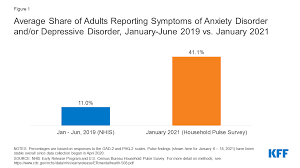
Physical distancing due to the COVID‐19 outbreak can have drastic negative effects on the mental health of the elderly and disabled individuals. Physical isolation at home among family members can put the elderly and disabled person at serious mental health risk. It can cause anxiety, distress, and induce a traumatic situation for them. Elderly people depend on young ones for their daily needs, and self‐isolation can critically damage a family system. The elderly and disabled people living in nursing homes can face extreme mental health issues. However, something as simple as a phone call during the pandemic outbreak can help to console elderly people. COVID‐19 can also result in increased stress, anxiety, and depression among elderly people already dealing with mental health issues

Family members may witness any of the following changes to the behavior of older relative
Irritating and shouting behavior
Change in their sleeping and eating habits

Emotional outbursts
The World Health Organization suggests that family members should regularly check on older people living within their homes and at nursing facilities. Younger family members should take some time to talk to older members of the family and become involved in some of their daily routines if possible.
4. HEALTH WORKERS AT RISK
Doctors, nurses, and paramedics working as a front‐line force to fight the COVID‐19 outbreak may be more susceptible to develop mental health symptoms. Fear of catching a disease, long working hours, unavailability of protective gear and supplies, patient load, unavailability of effective COVID‐19 medication, death of their colleagues after exposure to COVID‐19, social distancing and isolation from their family and friends, and the dire situation of their patients may take a negative toll of the mental health of health workers. The working efficiency of health professionals may decrease gradually as the pandemic prevails. Health workers should take short breaks between their working hours and deal with the situation calmly and in a relaxed manner.
5. STIGMATIZATION
Generally, people recently released from quarantine can experience stigmatization and develop a mix of emotions. Everyone may feel differently and have a different welcome by society when they come out of quarantine. People who recently recovered may have to exercise social distancing from their family members, friends, and relatives to ensure their family’s safety because of unprecedented viral nature. Different age groups respond to this social behavior differently, which can have both short‐ and long‐term effects.
Health workers trying to save lives and protect society may also experience social distancing, changes in the behavior of family members, and stigmatization for being suspected of carrying COVID‐19. Previously infected individuals and health professionals (dealing pandemic) may develop sadness, anger, or frustration because friends or loved ones may have unfounded fears of contracting the disease from contact with them, even though they have been determined not to be contagious.
However, the current situation requires a clear understanding of the effects of the recent outbreak on the mental health of people of different age groups to prevent and avoid the COVID‐19 pandemic.
6. TAKE HOME MESSAGE
Understanding the effects of the COVID‐19 outbreak on the mental health of various populations are as important as understanding its clinical features, transmission patterns, and management.
Spending time with Family members,childrens and elderly people ,involvement in different physical exercises sport activities,following a schedule and taking a break from traditional and social media can all help to overcome mental health issues.
Author-
Mr.Raman Tirpude
B.E,MBA
Sub editor-Yuva weekly newspaper and member of Central human Rights commission,New Delhi.
 raman's blog