Every time a Hijra knocks on my car window and asks for money, my heart goes out to the thousands of members of the Hijra community waiting in the city lights. Most of them have left their homes and survive in begging, badai, and sex work with the parishioners of Guarana. Working at a traffic light in a city where even basic amenities such as washrooms were not provided for transgender people, I often wondered where they pee. How do they navigate an overcrowded public health system while following the steps and movements of people? How do they navigate our public transportation? Do they even have a bank account to put their savings in? Before they ponder these questions and dare to ask them, the light turns green and they keep walking. Of course, you can’t roll down your car windows.
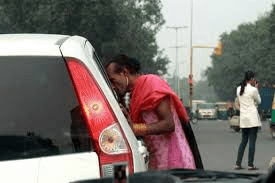
For most of us, our interactions with people from the Hijra and Kinna communities are limited to short intervals, such as when we visit our homes for road signs, trains, or Badai. The Hijra community is very visible because no one can ignore it, and at the same time invisible because no one thinks of them. But gradually it started to shift gears. His 2014 NALSA v. Commonwealth of India ruling was a landmark reform giving equal rights to the transgender community. It was about gender self-determination, prevention of discrimination in all areas of life, and positive action for the community.
Five years later, the Transgender Rights Protection Act was enacted and its regulations were notified. A National Council for Transgender People was established. The Ministry of Social Justice and Empowerment, a node ministry of transgender welfare, has launched a national portal for transgender ID card applications, the SMILE program, Garima Gure, scholarships, and most recently the Ayushman Bharat TG Plus card which provides health insurance. of social measures. transgender people, including gender-affirming care; All this may sound like a staggering amount of progress as India celebrates its 75th anniversary of independence, but there is still work to be done.

Transgender laws and regulations leave much to be desired as they medicalize gender identity, reduce violence against transgender people, and lack the warnings mandated by NALSA rulings. With the rules being finalized two years after they were announced on September 29, many provisions that should have been implemented in those two years have yet to see the light of day. Many states and UTs have not yet issued regulations, have separate toilets for transgender people, and do not have gender-specific hospitals. It’s a shame that something as basic as a Transgender Welfare Board has not been established in many states and UTs.
It may be worth noting that the courts have done an astonishing job of exhausting the rights of transgender people. The Madras Supreme Court issued a series of rulings, reforming the curriculum for queerphobia, and banning conversion therapy. , issued a glossary of trans-sensitive media coverage and raised awareness in schools and police officers. Meanwhile, according to the 2011 census, only about 2% of the official tally of transgender people have been issued a transgender ID card and are eligible for various welfare schemes, from scholarships to health insurance. As we know, the implementation eats up breakfast plans.
It’s also worth noting how governments that hesitated to listen to their communities during the passage of transgender laws have swayed their stance on the rights of queer people. State actions, ranging from abstaining from the election of an independent UN expert on sexual orientation and gender identity, show a lack of comprehensive vision. It appears to have left its mark on the way health laws are developed. Transgender and queer people are systematically prohibited from seeking surrogacy, artificial reproductive techniques, or legal abortions.
AUTHOR-
Mr.Raman Tirpude
B.E, MBA( MAREKTING AND HRM).
 raman's blog