Facebook -Social platform or a hatred platform?

India has become the largest market for Facebook with almost 300 million active users. It is also pertinent to note that Facebook India has an unprecedented growth potential of over 400%, thereby making India the future of Facebook. While Facebook’s gargantuan influence is unstoppable and being a platform for the otherwise voiceless undeniable, the cause of concern is the increasing use of the social media giant as a central avenue for hate mongering and violence.
Equality Labs, a South Asian American human rights and technology start-up, has provided evidence and raised alarm on Facebook India’s lackadaisical response to violations of its community standard in its report.It has also thrown light on the role of Facebook India as a soapbox for hate mongering, communal violence, fake news among other things. The report also recommends an independent human rights audit of its content and proactive steps to curb the online hate speech that can quickly erupt into severe violence. The report reveals some really perturbing trends relating to huge volumes of direct hate speech, disinformation and calls to violence against Indian caste, religious and gender/queer minorities as well as the free press.

Key findings:

  • Islamo-phobia dominates Indian hate speech:

As per the report, 37% of the hate speech is about Islamophobia followed by fake news (16%) and the least is about anti-religious minorities (9%). The following graph gives a glimpse about the composition of hate speech on Facebook India from 2014 to 2019.


Out of the 37% Islamophobic hate speech, 10% is about anti-Muslim attack in Ayodhya, 6% content is on anti-Rohingyas, calling for violence against them and is similar to the content that led to the Rohingya genocide in Myanmar. Also, 5% hate speech is related to ‘Love Jihad.’

  • Anti-Reservation posts highest in hate speeches related to Casteism:

13% of the hate speech on Facebook India is related to casteism. Notably, 40% of such posts are against affirmative action in India i.e. Reservations for the minorities.

  • Transphobia is all pervasive:

Despite the Supreme Court decriminalizing section 377 in 2018, it seems that the masses have not yet accepted the verdict and it is a long journey before the sexual minorities receive social acceptance. Of the 13% gender/sexuality hate speech, 25% is related to transphobia/queerphobia. Further, 12% of the hate speech posts under this category calls for violence or glorifies or trivializes rape.

  • Anti-Christian posts are the highest:

Under the category of hate speech against religious minorities, which forms 9% of the total hate speech, 60% are anti-Christian posts while 25% are anti-Buddhists.

  • 50% misinformation on Facebook:

In this era of fake news where social media is constantly being used to mislead the masses, Facebook India contributes 16% of such false news. Strikingly, 50% of this is misinformation about current events. Further, while there have been repeated attempts by the state as well as the central government to change the Indian history and glorify one particular religion, 20% of the fake news on Facebook India is about false South Asian history.

  • More than 48 hours taken for response to hate speech complaint:

While Facebook claims that it responds within 24 hours of receiving a complaint related to hate speech, the Equality Labs report has found the median time of response by Facebook India to be 48 hours.

  • 93% of reported posts remain while 100% Islamophobic hate speech gets restored:

While the response time by Facebook India on the complaints is slow, what is more disturbing is that 93% of all hate speech posts reported to Facebook remain on Facebook.

Further, 43% of all initially removed posts were found to have been restored after an average period of 90 days from the date of reporting. Alarmingly, 100% of all restored posts were Islamophobic posts.

  • Accounts of whistleblowers banned/disabled:

While hate speech almost completely remains or is reinstated by moderators on Facebook, an increasing number of minority user accounts are being banned or removed entirely.

Caravan Daily wrote that in a ten day period, Facebook disabled personal accounts of more than a dozen leading journalists in India without any warning or notice and without offering any credible reasons. This includes editors of BoltaHindustan.com, Mumtaz Alam, Editor of Caravan Daily, Syed Ghazanfar Abbas, National Correspondent of Caravan Daily. Ajay Prakash (News Editor, Dainik Bhaskar), Prerna Negi (Editor, Janjwar.com), Rifat Jawaid (Editor, JanataKaRepoter.com and former Editor of BBC) and Aijaz Zaka Syed, an award-winning Indian journalist and columnist based in the Gulf and former Opinion editor, Khaleej Times. Syed has also been associated with Caravan Daily as a columnist.

Also, accounts of prominent Dalit Bahujan news outlets and pages like National Dastak and Ambedkar’s Caravan, those of Kashmiri activists and press outlets like Freepress Kashmir were taken down.

  • Unsatisfactory Community Standards:

While Facebook India has performed very poorly when it comes to taking action against hate speech and hate mongers and seems to increasingly become a platform for communal polarisation, one major loophole in its reporting mechanism is the unavailability of its community standards in major Indian languages. This makes it very difficult for the minorities to report the oppression that they face on Facebook. Also, the report reveals that there is no consistent reporting mechanism.

Conclusion:
All in all, it appears that Facebook India has become a political tool for spreading one particular ideology and resorting to hate mongering for wiping out the minorities and further other them. It has become like a toothless watchdog allowing gross violations of its own community standards thereby creating a breeding ground for violence and revenge.

Whether this insouciant behavior is a path that is chosen by Facebook India or is the result of political pressure is yet unknown. However, this is having a widespread impact on the harmony and peace, nationally as well as internationally.

I have been writing against this issue on different different platforms . Where i have found that people have started moving away from Facebook .while talking to couple of my friends they told me that, they have stopped using Facebook just because of such hatred negative posts.

Author-
Raman R.Tirpude
MBA,BE

Blogger. content writer .
Sub-Editor at Yuva Weekly newspaper.
Dr.Ambedkar Institute of management and research .
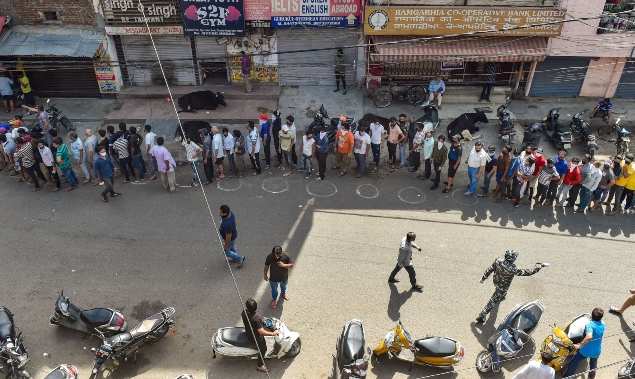
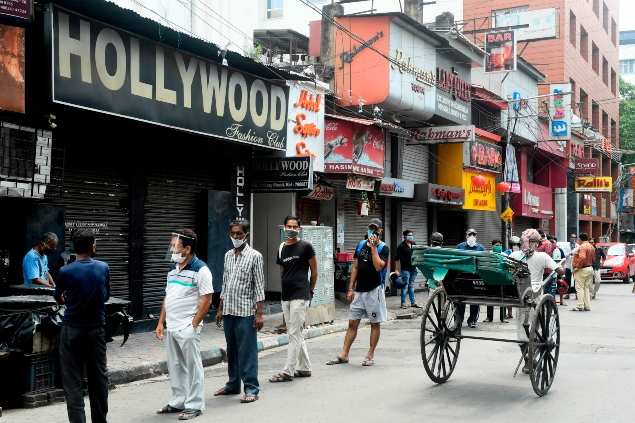
Liquor shops open after 45 days in lockdown, social distancing rules taken for a ride.

Opening liquor shops right or wrong?
Forty five days into the national lockdown implemented to contain

As the third phase of the lock down kicked in on Monday with several relaxations added, there has been a noticeable increase in road traffic as non-essential stores lifted shutters, including liquor shops, which people made a beeline at, throwing social distancing norms to the wind. The easing of the lock down measures came with its own set of challenges for police personnel as they struggled to manage the crowds outside liquor shops and in some parts of the country, they resorted to lathi-charge to bring the situation under control. As per the government notification, shops selling liquor have to ensure social distancing and also make sure that not more than five people are present at one time at the shop. With the Home Ministry allowing plying of private vehicles in all zones with restrictions, traffic was back on the roads in cities — a departure from the eerie quiet that had descended over them during the 40-day lockdown. While the restrictions have not been eased in containment areas, movement of private vehicles has been allowed in red zones with two passengers besides the driver for cars (earlier it was just one passenger in all zones) and no pillion rider for motorcycles.

The basic idea behind opening these liquor shops is to get money. As all the financial activities are at rest and governments are running short of taxes and money, they took this decision. Many people have raised their voices against this decision which includes political parties as well. But on the other hand, the long queues suggested that crores of people were waiting for these shops to get open, and the moment they got to know that these liquor shops are going to open people went on crazy. In some places as the report says people were standing outside shops midnight itself.

The Country who strictly followed lockdown for nearly 45 days to safeguard themselves and their loved ones from this invisible enemy, hospital staff, policeman who worked so hard to constraint this pandemic completely got collapsed. Government, municipal corporations, various NGO’s are working so hard to feed people who have lost their jobs and work.

I firmly believe that If these people have the money to buy liquor, then they should be utilizing it to buy foodgrain for their families. It is shameful that the government has taken this decision, especially in the ‘red zone’ with COVID-19 cases surging by the day. Why just to blame the government? it is our responsibility as a citizen to follow all the guidelines provided by the government?? of course, we need to start everything now with time, but as a citizen are we ready to take our responsibilities? We need to adapt ourselves and need to change our attitude as well.

I was discussing this topic with one of my dear friend, who was very upset because of the opening of these liquor shops. According to her, it would have been better if the government could have open these shops after the 17th, or at least they could have allowed it in green zones only. She further added that students who are going to face their exams in the next few weeks, they don’t have books with them, so the government should have open these shops in place of liquor ones. Her point is also quite valid if we see it with the students’ perspective.

Conclusion
Reopening these liquor shops good or bad? is quite debatable but the government has to open certain things and unfortunately liquor is that commodity that gives the highest tax(apart from petrol product) to the government. But, for sure we could have made some more arrangements to make sure people follow social distancing. Many people may not agree with me, but it’s a fact that we need to adapt ourselves and have to live with this corona virus until the vaccine comes.

Author-
Mr.Raman R.Tirpude
MBA,BE
Dr.Ambedkar institute of management and research ,Nagpur
Working as a Sub editor with YUVA weekly newspaper.

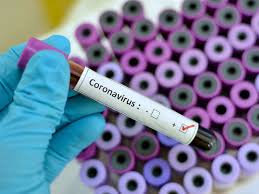
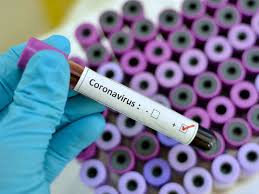
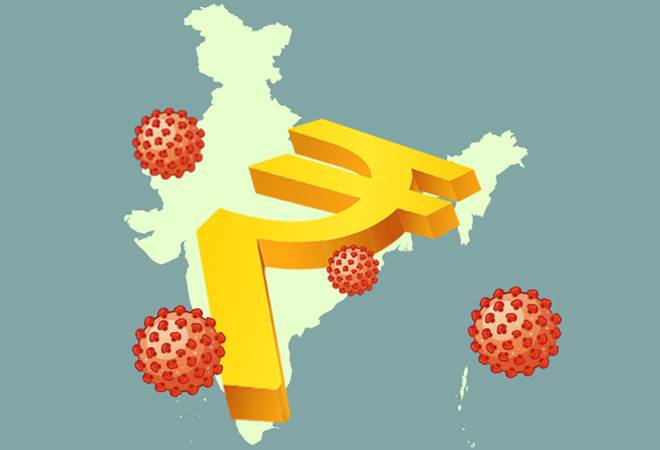
Impact of Coronavirus on Indian Economy!!

looking at the present scenario India does not have the healthcare infrastructure to cope with the spread of corona virus, (although government is claiming is that they have more than 1 lakh of beds are there for covid patients) but it can do one thing to minimize the economic shock.

India has cancelled tourist and other visas in a move to effectively quarantine the country’s population from the highly infectious coronavirus (COVID-19) spreading across the world. This is a step in the right direction.

Though it will hurt the hotel and travel industry, India does not have the public health capacity to cope with the spread of the coronavirus. We have just seen the case of Italy. The Italian government tried to put the concerns of the tourism business before the risk of the virus spreading, and the infection spread rapidly, putting the whole country at risk.

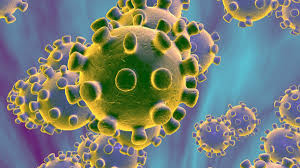
Initially, when the novel coronavirus hit China’s Wuhan, it was felt that the main impact would be a supply shock — imports from China that are essential for production around the world would be in short supply.But what began with a supply shock to industries like electronics and automobiles has now turned into a full-scale possibility of a widespread demand shock across the world economy.

Demand shock

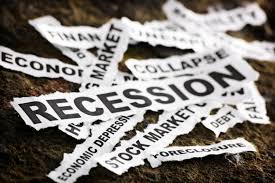
As the world locks down upon travel, tourism and public events in an effort to socially isolate the highly infectious COVID-19, people will spend less and produce less. It is becoming clear that in many countries across Europe, America and Asia, including India, there will be a sharp and sudden demand shock. This will give a big negative shock to the GDP of many countries.

Our limited understanding of the virus and the uncertainly regarding when and how the world might be able to cope with its spread is affecting stock markets and investment. No one knows if the restrictions on travel and work will last for weeks or months. As a consequence, the economic impact of the virus is not well understood. Markets will remain volatile.

As workers in various industries across the world work from home, not only will their own businesses be affected, thousands of eateries, retail stores, cinemas, shopping malls, airlines, taxis and their suppliers will see a fall in incomes. As people earn less, they spend less. There will be a negative multiplier effect. India can ill-afford this.

If hopes that the oncoming summer will limit the spread of the virus turn out to be true, it will be great, but if that hope prevents us from preparing adequately for the infection, there will be a bigger disaster. While China seems to have been able to shut down many cities and provinces, it required a level of policing and monitoring and curfew-like conditions that other countries, including India, do not have.

How other countries have reacted

Each country matters to the world economy in its own way. China was thought to matter mainly for its position in global production chains. Italy has a huge debt and its public finances affect international financial markets. Until a few days ago, its government was saying it is safe to travel to Italy, other than to the northern provinces, which are quarantined. Social isolation appears to have been left too late. Today, the entire country is in a lockdown.

Initially, the prospect of loss of business due to tourism, which is a large part of the Italian economy, was so scary that it seems to have prevented the leadership from properly assessing the inadequacy of the public health system. This appears to have led them to risk allowing greater movement at the initial stages of the spread of the disease, even though coronavirus cases were doubling every day.

The expected decline in Italian tax revenue and increase in expenditure suggest that the country may not be able to repay its debt, and given its size, this has made European and global financial markets jittery.

On the one hand, governments will suffer from huge health expenses for mounting a response in terms of testing travellers, quarantining them, and testing those with exposure to those who might have been infected. On the other hand, the sudden and sharp slowdown in economic activity will lead to a fall in tax revenue. India, for example, will see a decline in taxes imposed on petroleum products as people travel less, on GST collected from hotels, and other businesses. This means fiscal deficits will be higher and public debt will rise.

Limited space for fiscal, monetary measures

In response to the corona virus shock, the US Fed and the Bank of England have cut interest rates. The UK and Italy have announced fiscal packages. But while most governments around the world are responding with fiscal and monetary measures, India has limited space to do so. Even if India does undertake expansionary monetary policy measures, the impact is likely to be limited. The transmission is poor.

Instead, understanding that public health capacity is limited and pushing social isolation and prevention is India’s best bet. This is what India is trying. Today, the infection is limited in its spread. If it can be contained to a few cases, the health system can cope. Indian governments has tremendously well to contained it ,but their is still a question on testing. on an average India is conducting 30k tests everyday which is much lesser that that of other countries.

Author-
Mr.Raman R. Tirpude
MBA, (MM & HR),MA,BE (electronics)
Blogger, Digital marketer,content creator
Working as Sub Editor with ‘Yuva’ news paper
Nagpur,Maharashtra

Union Budget 2020 Expectations.

The finance ministry is busy with the planning for the upcoming fiscal year 2020-21. The union budget for FY 2020 is scheduled for presentation on 1 February 2020. The finance minister has quite a few things on her table, ranging from slowing demand, low industrial output and the overall GDP growth pegged at an 11-year low of 5%.

From the previous budget presented on 5 July 2019 till date, the finance minister has announced a slew of incentives for the economy. A tax cut for corporates and new manufacturing companies, reforms in Goods and Service Tax law, capital infusion for PSU banks and setting up a fund for real estate and infrastructure. However, the economic indicators have not shown signs of growth revival and the government’s tax collections have been low too.

The call of the general public, economists and industrialists is to revive the demand in the economy. A demand revival is likely to steer the economy back into progress. In this background, here are some expectations from the budget 2020.

1. Boosting the cash flows of the middle-class taxpayer: The finance ministry is considering relaxing personal income tax rates in the upcoming budget 2020. The present rates consist of 5% for income slab from Rs 2.5 to 5 lakh, 20% for income slab from Rs 5 to 10 lakh and 30% for income slab from Rs 10 lakh and above. There is a significant tax outgo for an individual earning income between Rs 5 to 10 lakh. A cut in the tax rate from 20% to 10% would increase the disposable surplus in the hands of the middle-class. The middle class also the growth drivers for the economy.

2. Savings boost for individuals: Section 80C accounts for most of the tax savings of individuals. It includes investment in government securities, LIC, mutual fund ELSS along with payments for children’s tuition fee and housing loan repayment, all under the overall limit of Rs 1.5 lakh. The limit under section 80C was last enhanced in the budget of 2014. Education costs and housing loan repayments form a significant part of the financial commitments for an individual. Consequentially, the section leaves less room for savings. The government could enhance the limit under section 80C to give a much-needed boost for public savings.

3. Low tax rate for partnerships and LLPs: There are MSMEs consisting of partnership firms and Limited Liability Partnerships (LLPs) who pay tax at 30% (excluding surcharge and education cess). While the government has conferred a tax cut on corporates and manufacturing companies, the other forms of business enterprises still pay high tax at 30%. The government could reduce the tax rate for these business enterprises to create a level playing field among MSMEs.

The government could aid capital intensive MSMEs for their investments in plant and machinery. The investments could be incentivised through a deduction under section 32AC. The Section was introduced in the union budget in 2013 to encourage investment in new plant and machinery by companies. The deduction was allowed in addition to depreciation allowance. The minimum investment threshold was Rs 25 crore. The section can be revamped to confer deduction benefits to MSMEs with a lower investment threshold and for a time horizon of 1-2 years.

4. Sector-specific incentives: The finance ministry has held meetings with representatives from various sectors and industrialists for the upcoming budget 2020. Sectors such as non-banking financial companies (NBFCs), real estate, infrastructure and power discoms have been suffering lack of demand and finances. The government, though it has outlined a plan for real estate and infrastructure, the mechanics are yet to be worked out. The government could aid the infrastructure plan through the issue of long term tax-deductible infrastructure bonds.

5. New GST returns: The Union FM may tweak the GST laws to prepare taxpayers for the new GST return filing system effective from April 1, 2020. The rules may be altered to accommodate the new returns in form RET-1 or RET-2 or RET-3 along with annexures in ANX-1 and ANX-2.

6. GST rate cuts: GST rate cuts have over the last two years have led to dwindling revenue collections. A phased increase in the GST rates has been favoured by many economists. However, the auto sector is looking forward to a rate cut in automobiles from 28 per cent to 18 per cent. Additionally, there is a possibility of exemption from customs duty of 5 per cent for lithium-ion batteries. Followed by this, the health care segment expects to have the health care services zero-rated product under GST. Similarly, various items falling in between 18 per cent and 28 per cent may be contemplated for a single rate.

The government too is running on a tight fiscal situation with lesser than expected tax collections and disinvestment collections. An increase in the disposable surplus in the hands of individuals can help revive consumer demand. Apart from this, the government can consider mobilising public savings through section 80C and the issue of corporate bonds through top-rated PSUs.

Conclusion– Looking at the present economic condition of country ,huge decision need to be taken to control and overcome the economic issues. certain changes in policies is expected with respect to FDI as well barriers in the trade need to be taken care of , which will help foreign investors to invest in India and provide opportunity to the youths .

About Author
Mr.Raman R.Tirpude
MBA,,B.E

#Raman Tirpude is a DIGITAL Marketing Enthusiast, who is presently perceiving Master in Business administration with specialization in marketing.He has completed his graduation as an electronics engineer . He is a blogger, and a digital marketing trainer. Apart from just education, he is an active social worker who is been associated with the “Central Human Right Commission”, New Delhi from last 2 years. He is working as ‘ Editor’ with YUVA weekly news paper

तुमच्या साठी काही पण….!!!

असा समजू नका की हा लेख माझ्या प्रियसी साठी वगेरे आहे म्हणून, तिचा पेक्षा कुणी खूप महत्वचा आपलया आयुष्यात आहे ,ते म्हणजे आपले आई वडील….
आपल्या पैकी बरेच जन त्यांना ओझ मानतात, तुम्ही हो म्हणून उत्तर मुळीच देणार नाही हे माला ठाऊक आहे.पण हे सत्य आहे. आपल्या इथे वृद्धाश्रमात रोज कुणी न कुनि म्हातारा किवा म्हातारी भरती व्हायाला येत, किवा कुणाचा मुलगा त्यांना सोडायला येतो. ही दृश फार मनाला बोचणारी असतात. याचा पेक्षा वाईट तर हे आहे की, काही मुलं असा देखील आहेत की आपल्या आई वडीलांना सोडून देतात. ती म्हातारी पावले खरच अस काही भोगतिल असा त्यांनी कधीच विचार केला नसतो. …!!!!

त्यांचा मुलांसाठी थोडा लिहन्याचा प्रयत्न मी केलं आहे, नक्की वाचा …….

 बाप काढलास घराबाहेर ,
 घरात रडते आई ,
 पण बायकोला मात्र रोज म्हणतोस तूझ्यासाठी काही…!

 जरा तुझ्या आईचे आठवून बघ दिवस,
 लेका तु भेटावा म्हणून तिने किती केले होते नवस,
 नवस करून देव सुधा पावला,
 तुझ्या सारखा हिरा तिला दावला,
 लहानपणी आई तुला शेतात न्यायची,
 तुला ऊन लागू नये म्हणून स्वतःच्या पदराची सावली तुला द्यायची .

 तुला भूक लागल्यावर तू टाय टाय रडायचास
 अन आईचा दूध जरी संपल तरी तिचा रक्त ओढायचास,
 रक्त पीऊन पोसल लेका ,
 त्या रक्ताचा तरी ठेव मान,
 पवित्र अश्या आईचा करू नको अपमान,

 आता फक्त एक कर,
 त्या दारातल्या आईला घरात आन,
 किती दिवस जगनार आहे लेका,
 झाडावरचा पिकला पान?,
 तू गोड धोड खा,
 पण म्हातार्‍या आईला शिळी भाकर तरी वाड,
 अन भाकर वाडायाला जर तुझी बाईको मदी आली न,
 तर तीला घरआ बाहेर काढ….!!!!
 कारण, नवरा माय बापाला सांभाळतो म्हणून घर सोडून जायची कुण्याच बाईत नसते हिम्मत.!!!

 तुला वाघ बनवला आईना, पण दुर्दैवान तिलाच उरला नाही बाईपण,
 खरा मर्द असशील तर तीच दर्शन घेऊ म्हण ,
 आई तुझ्यासाठी काही पण तुझ्या साथी काही पण….!!!

   आरे देवा सरखा बाप तुझा तोही  सोडला वार्‍यावर
   तुझ्या पोटाची भूक मिटविण्यासाठी तो फाटक्या धोतराणी जायचा शेतावर,
   तूझ्या शिक्षनासाठी त्यांनी किती कर्ज घेतला होत,
   तूल नौकरी लगली तेव्हा तुझा बापान गाव भर वाटली होती साखर,
   पण आज दुर्दैवणी त्याचाच ताटात नाही भाकर, ….!!!

आज आपण महासत्ता बनन्याचे  स्वप्न पाहोतो आहे, चंद्रपर्यन्त उंच भरारी मारल्यात , पण कटू सत्य हे आहे की ,जितके आपणा उंच गेलो आहोत तितकेच खाली देखिल आलो आहोत.
    जर सुंदर मुलगी बाजूला उभी असेल तर तिला आपण किती संस्कारी आहोत हे दाखवण्यासाठी रस्त्यावर उभी असलेल्या गाई ला नमस्कार करतो, मिटरकही आई दिसली की त्यांना नमस्कार करतो , आदर करतो,पण तीच वागणूक आम्ही आपल्या आई ला देतो ?

    या प्रश्ना सोबत सोडून जातो आहे मित्रांनो…पण नक्की विचार करा…!!!

तिला लिहलेले पत्र….

प्रिय ,


आज कालच्या या जगात कुणी प्रेमपत्र लिहिते कि नाही ते माहित नाही पण मला वाटल कि माझ्या मनातल्या भावना मी शब्दांनी जास्त चांगल्या मांडू शकेन . मी यापूर्वी कधीच पत्र लिहिलेले नाही. आपल्या या जगात मुळी पत्र लिहण्याची आपल्याला कधी गरज नाही पडत . पत्रच कधी लिहिले नाही तर प्रेम पत्र तर खूप दूरचे झाले . चुका काही होतील या पत्रात तर हसून घे मन भरून पण भावनांना समजून घे आणि तुझा निर्णय कळव. पत्राने नको कळवू भेटल्यावर सांगशील .

गेल्या सात वर्षांपासून आपण एकमेकांना ओळखतो. आपल्यात चांगली मैत्री आहे. कळत नकळत दररोज एकमेकांना आपण भेटतो ,नेहमी एकमेकांच्या संपर्कात हि असतो. मला वाटत कि तू मला समजून घेतेस म्हणून इतक साहस मी करतो आहे कदाचित हे पत्र वाचताना तुला आता पर्यंत कळलेच असेल कि मला काय म्हणायचे आहे ते . मला तू आवडते आणि मला तुझ्या बरोबर म्हातारा व्हायला खूप आवडेल कारण आपण जसे आहोत तसेच एकमेकांना आवडतो मला वाटत कि आयुष्यात खूप सारया गोष्टी असतात त्यात एकमेकांना समजून घेण खूप महत्वाचे असत , मला नेहमी वाटत कि खरच आपण एकमेकांसाठीच बनलो आहेत असे. तुला पण कदाचित तसेच वाटत असेल .. तसे नसेल वाटत तरी काही हरकत नाही पण एकदा विचार करून सांग ना ,  माझ्या या भावनांचा विचार करशील कधी? लगेचच  नाही तुला पूर्ण अधिकार आहे वेळ घेन्याचा. तुला माझ्या भावना सांगणे महत्वाचे होते, कदाचित मी चुकत पण असेल, पण ही चूक मला करु देत.  तुला हे सारे वाचून जरा विचित्र वाटेल परंतु प्लीज मला समजून घे.
तुझा नकार असेल तर तो मी आनंदाने पचवून घेयील , पण तुझा अबोला, तो नाही माझ्याच्यानं सहन होणार……..
तुझ्या उत्तराची वाट पाहतोय………….मला फोन करून कळव

तुझाच

Eye-Opener….!!!

Like everyday, even today i was there in medical premises taking my evening walk . I just walked nearly 100 m, i saw an old couple sitting on road side. The old uncle asked me about Government medical hospital , so i told him, sir come with me even i am going that side .So They both started to follow me . And eventually Uncle came parallel to me. Then i tried to take some basic info about them.
So, Old fellow told me ,that they have come all the way from 450 kms. And they were supposed to meet a doctor at super specialty hospital .But the doctor was not available ,so Super specialty management team asked them to go and get admit in gov.medical. So, i just took them to gov medical. Both were 70+. somehow with their shivering legs we reached gov.medical hospital .While we were coming He told me that,his wife ie old lady was their in gov medical hospital yavatmal for 12 days and he is facing some gastrointestinal issue .
When we reached ,Gov.medical reception , person asked me about patient and everything . Then, he told me that they need to take out their card then they will be examined by doctor. so, i completed the entire process. After, getting done with entire process doctor who was an intern examined the Old lady. and after going through all documents , he told me that , he cannot make her admit as, doctor is not available . And he asked the old fellow to take her wife back and come after 3 days.

As, it was getting already evening, Both of them got little tensed . Even i was feeling sad for them. But i had no other option. So, i asked them what to do now? They told me that they will stay back here in hospital premises . So i was little shocked ,how will they stay here for couple of days. So, they requested me to take them back to super specialty hospital where they can stay back.
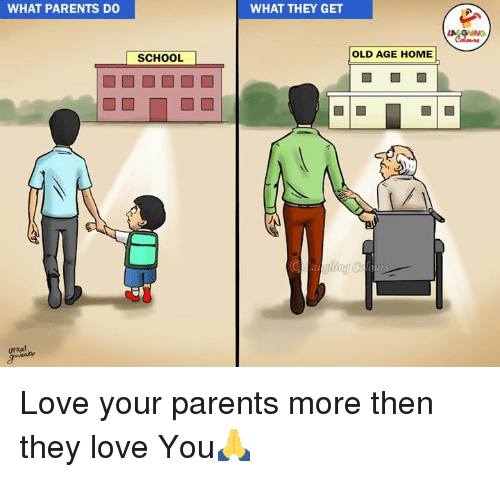
On, the way back from where we started this small journey, i asked them about their son and daughter . I told them to come with their son or daughter while coming to hospital specially gov hospitals . For a While Old fellow Didn’t utter a word. And after a minute he started speaking, His eyes were wet, Voice was shivering, He told me that, they have 3 sons and 2 daughters. But, no one cares for them. All of them are at good position. THis was really heartbreaking for me just to hear it.
This old couple has small part of land with them, and just to teach their kids they sold the entire land and now their kids just left them alone .They told me that even at this age they go out for work .Their financial condition is so poor , and none of their son or daughter come to meet them or help them.
So, Question rises , do they really deserve this?? this is just single case ,many other stories are around us .
PARIVAR KO JANM DENEWALA PITA , aPNE KHOON PASINE SE APNE PAODHO KO SICHTA HAI, NA SIRF PEDH USKE SAAYE SE B PYAAR KARTE HAi, KYUKI WO SOCHTE HAI, KISI DIN JAB WO THAK JAAYENGE TAB YAHI SAAYA UNKE KAAM AAYEGA….

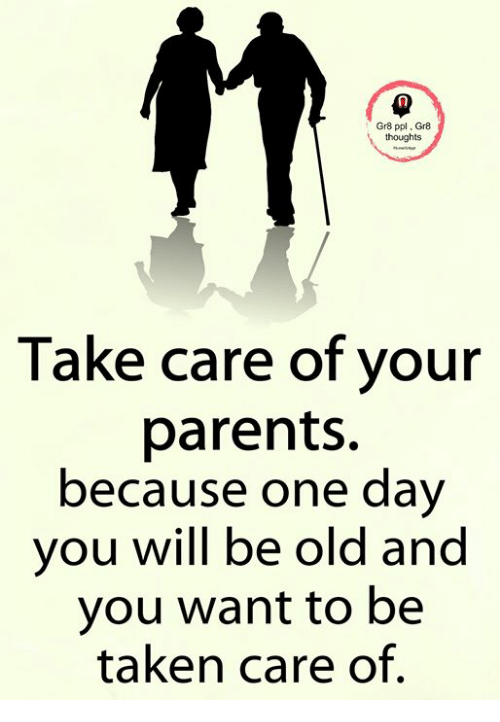
Dont treat your parents like this. they dont deserve this. !

PLease Dont do this!!!!!!!!!


Are we are really growing??

Fastest growing economy, most number of youths, huge manpower etc sounds good,No?. But when it comes to reality we are much far behind. Even today we fight on religion, color ,language.And women we treat them as slave ,on one hand we give them this tag of goddess and on other hand we see 2-4 year kid getting rapped! Everyday we see , kids are getting died because of malnutrition, improper health facilities etc. These questions shatters me are we really getting developed ? or just we have started wearing branded clothes ,but what about our brain? we still used to ask doctor whether the fetus is male or female ?

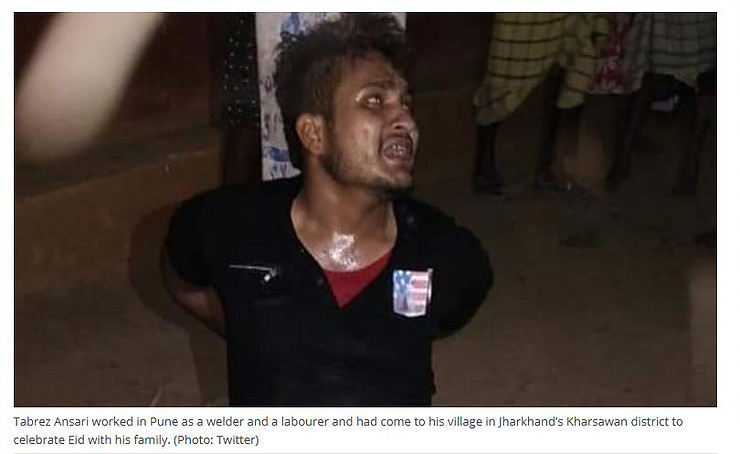
These days news just shatters me off , when i heard that the guy named Tabrez Hansari was was attacked by a mob in Kharsawan district of Jharkhand on the suspicion of theft on June 18. He was beaten up mercilessly for over 18 hours before being handed over to the police. He succumbed to his injuries at a local hospital on June 22. The victim has been identified as 24-year-old ,who was working in pune as welder .tabrez was back to his homeplace for Eid.

This guy was beaten by people for whole night , And as the fottages are clearly showing , he was asked to chant ‘jai shr-ram’ and jai hanuman. Why are we doing this? . Jai shri- ram potrays peace, humanity , love affection. Even Lord ram will be getting of shamed of us. This is not Just for ram Bhakts but goes same for other caste people who always try to potray their religion superior to others. Every religion is based on humanity , it teaches us to respect others as well. “Ram Walo ko musalmano ki booh aati hai,

Musalman ko bhagwan se buh aati hai, Kisko fursat yaha ki khidmat kare insaniyat ki, Yaha to insaan ko insaan se booh aati haii….!” These beautiful lines said by poet and are very true.

This is our strength!!!!
Through this small blog i request all youths to please come out of this fake world of religion. You worship whomsoever you want , but start respecting others feeling as well. Lets understand this, humanity comes first ,and we are those, who have taught the entire world to accept everyone . we are Indians first !
Poet has well said that” Bharat ki khubsurati dekhni hai to us anwar se milo, jisko Ram ne paal poske badha kiya ,jiska pita ali Ram ke sath desh ke raksha karte huye shaheed hua…”

This Religious gap between us is the biggest threat to our development!

Why Are Doctors Being Beaten Up?

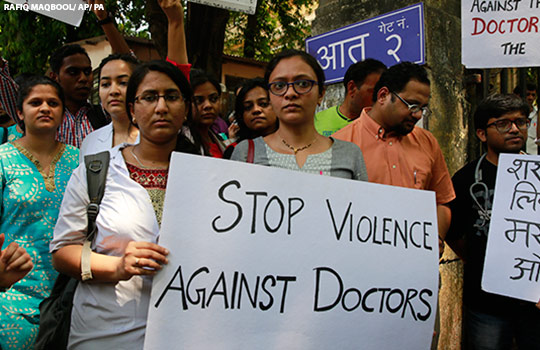
Attacks on Doctor or Hospital is getting very common nowadays. From last couple of years , Doctors who are the life saver and equivalent to god are living and doing their work are at high risk of their lives.
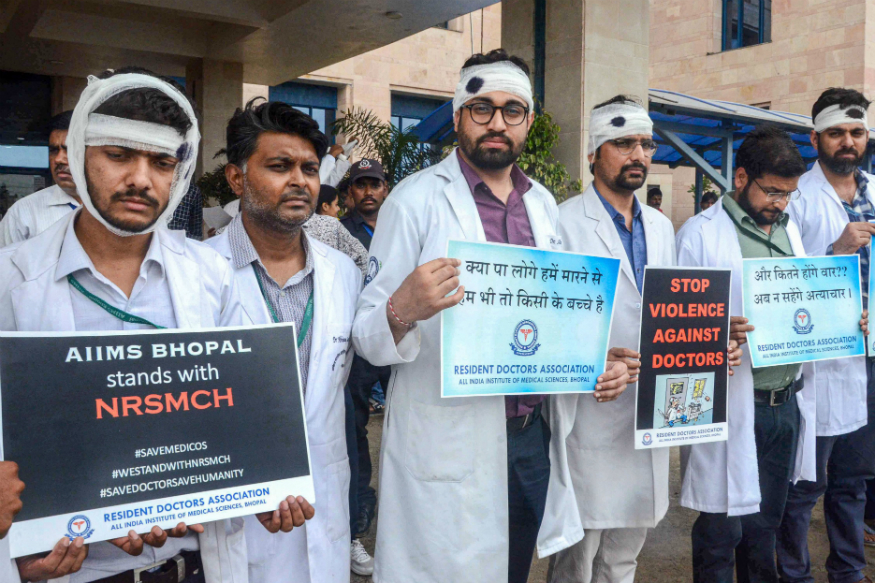
Recently In West Bengal an intern Doctor has been beaten up brutally by the patient relatives. The doctors’ protest that started in Kolkata on Tuesday has spread across the country on the fourth day of the agitation. The protests have snowballed after Bengal CM Mamata Banerjee refused to acknowledge the protests in Kolkata’s NRS Medical College and Hospital and threatened the doctors with severe action if they didn’t end the agitation at once. However, she later extended the olive branch and asked the agitating doctors to meet her but they refused. The protests still continue with greater intensity and it spreading with more and more hospitals and doctors joining the protests. It all started on Monday night when a 75-year-old patient at Kolkata’s NRS hospital died and his family alleged medical negligence. The family, accompanied by a 200-strong mob barged into the hospital and critically injured one of the doctors, Dr Paribaha Mukherjee. Doctors have since been demanding action against the culprits and police protection for all doctors.

According to a study by the Indian Medical Association, over 75% of doctors have faced violence at work. A lady doctor in Tuticorin was killed by the husband of a pregnant woman who was admitted in a serious condition. She was referred to another hospital but died before she could be shifted. The husband entered the consultation chamber of the lady doctor with three accomplices and attacked her with a sword. In 2014, in Mansa district of Punjab a doctor’s clinic was burnt following death of a boy who was referred to a tertiary hospital but died.[12]

Innumerable incidents of violence against doctors are reported nearly on a daily basis across India, some resulting in grievous injuries. Even institutions such as the All India Institute of Medical Sciences, New Delhi, the premier medical institute of the country is not spared.[13] Nineteen states of India have some kind of Medicare Service Persons and Medicare Service Institutions (Prevention of violence or damage or loss of property) Acts passed and notified in the past 10 years. Under the Right to Information (RTI) Act, the Medicos Legal Action Group Trust (MLAG) asked all senior superintendents of police in Punjab and Haryana, the two states where the Prevention of Violence against Doctors Act is in place for over 8 years, for the following information.

Looking at the other side, the big question rises why we as a citizen are getting so impatient ? ultimately Doctor is as well a Human being he is not God nor does he have a magical stick with him. Doctor can only put his efforts to save a patient.
Its our responsibility as an individual to remain and calm ,in such situations. Beating someone or abusing someone who is helping you and your closed ones.

What should Doctors and nursing home do to prevent and manage violence-?

It needs to be appreciated that violence against hospitals occurs mainly because of lack of information and misunderstanding. It also occurs because of negligence or crudeness or arrogance or greed on the part of nursing homes. The nursing homes should do the following: A. They should take steps to minimize the possibility of such attacks. Examples of such steps are:The Indian Medical Council (Professional conduct, Etiquette and Ethics) Regulations, 2002, should be strictly complied with by the doctors working in the nursing home.A notice should be prominently displaced providing information to the public about the actions that an aggrieved patient may take. Such information may include: Name and mobile telephone number of the person/doctor who is officially assigned the duty of attending patient

Complaints/emergencies on 24-hour basis.Name of the person in charge and the members of the “Patients Grievance Redressal Committee” of the hospital or nursing home concerned and the time limit (say, 48 hours) during which the Committee would take initial necessary action.The mechanism for supplying a copy of patients’ medical records on request, including the fees and time limit for the same.Name and address of the local Indian Medical Association (IMA) “Patients Grievance Cell”, if such a cell exists.Name and address of the State Medical Council.Name and address of the District Consumer Forum.The following information should also be prominently displayed: Schedule of hospital charges Names, qualifications and medical council registration numbers of all doctors.


B. They should buy a hospital professional indemnity policy through a legal risk cover company. While choosing the legal risk cover company, they should choose that company whose terms and conditions include a written clause that the company will provide legal services in connection with criminal/police complaints related to violence against the hospital

. C. They should organize a collective nursing home defence mechanism through the local IMA. If this is not possible, a few nursing homes should come together on their own to form such a joint mechanism. Such joint defense mechanism, Joint Defense Academy (JDM), would do the following:It would collect fees from members and keep proper accounts of the funds collected and spent.It would provide the following services to the members: Liaising with the police.Organizing joint seminars on the issues related to nursing home protection. The local police officers; CMO; DM; media and some persons from the legal field, if possible the magistrate or sessions judge, should be invited on these occasions and they should be requested to express their views.

GETTING THE PROTECTION ACT PASSED IN YOUR STATE

Press the state IMA to pursue with the state government to pass an act on the lines of the acts in other states such as the “Punjab Protection of Medicare Service Persons and Medicare Services Institutions (Prevention of Violence and Damage to Property) Act, 2008” or the Tamil Nadu Medicare Service Persons and Medicare Service Institutions (Prevention of Violence and Damage or Loss to Property) Act, 2008. Demand from the local MLAs and the health minister that pending the framing of a regular act, an ordinance may be passed immediately as was done in Andhra Pradesh. At the same time, in consultation with an advocate, file a Public Interest Litigation (PIL) in this connection after necessary ground work.

Conclusion-
Lastly , Doctors are one of the most important profession and no one deserve to be beaten up at any cost . Doctor is as well part of someones family , if any patient does not survive that doesn’t mean that the doctor who was treating him is reason for his death. Secondly gov authorities need to act wisely and take step accordingly. Strict laws need to be made which will restrict these attacks . It should be considered as a serious crime and it should be made non-bailable .

Author-
Raman R Tirpude
MBA(Student),BE
Nagpur,Maharashtra.

WOMEN’S CONDITION IN INDIA!!

World’s Fifth fastest growing economy in world,India is heading towards a huge goal and is in race with big economies. Through infrastructural development as well working on their education ,health and foreign investment systems,India is showing tremendous growth in all fields.
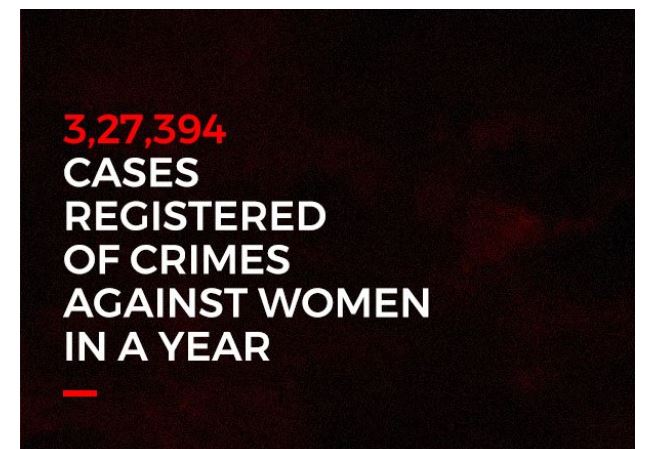
But with all these positives, India continues to performs badly when it comes to women security.Women security is a big issue in India, after independence huge steps has been taken to safeguard and empower women, although their condition has changed but not to that level which is expected. Statistically the numbers are horrible .

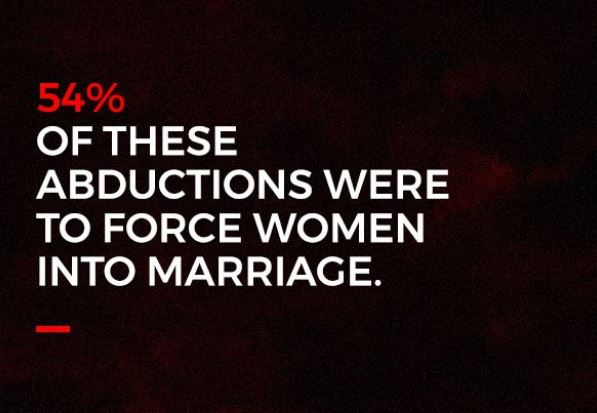
In 2018, threee lakh twenty seven thousandthree hundred and ninty four which was registered , this number is huge in itself,but the harsh truth is that same number of crime takes place against women but are not registered. these number are usually from urban areas, but in rural parts people dont resgister complaint because they feel that it will hamper their daughter and family image.

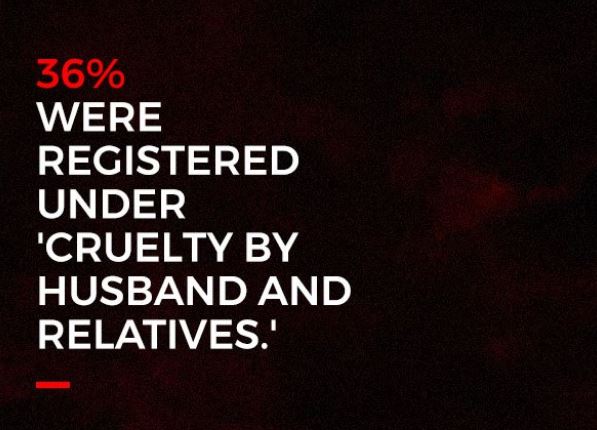
A hefty sum of money is spent onher dowry. At times, the demand from the groom’s familycontinues even after marriage. When the bride’s family fails to satisfy their demands, the bride is tortured. Domestic violence is high in Indian homes. There is dowry deaths’occurring every now and then.It has been pointed out that it is always the bride who is dying and not the women in the groom’s side when they are working in the kitchen. Many young brides die in the kitchen due to stove-burst, where the groom’s sides maskit as an accident .
Majority of rural Indian women do not have the right to choose their partner. It is always decided by the family elders and the marriage is arranged with an endogamous group, where caste plays a very important role. If the girl wishes to marry someone from other caste or tribe, the traditional leaders of the villages oppose. In states like Haryana, there are Khap Panchayats, or traditional village elders who provide punishments to both the adult girls and boysof the same village and caste, who falls in love and marries

In rural India, very few women have ownership over land or productive assets. This proves to be a road block in institutional credit. Majority of the agricultural labourers are women.They mainlyassigned manual labour. Men perform operations involving machinery.(Kurukshetra, 2003)Agriculture which is the mainstay of the rural Indian economy is sustained for the most part by the female workforce.They are the invisible life line of the agrarian rural community life.Rural women from childhood days have to bear the burden of taking care of younger siblings, cooking,engaging in domestic chores, looking after the fodder of the domestic animals in their parents’ house

Since every coin has two sides, living in Indian metropolitan cities comes with its own advantages and disadvantages. Though metropolis provides feasibility to remote corners of the city. However, it is quite challenging to reach safely at your destination. Challenges faced by people living in Indian metropolitan cities are innumerable.

Not only during the night but people are unsafe even during the day. There have been innumerable instances where people’s safety was threatened during the day and nobody came to their rescue. With rampant industrialization and urbanization, not only are metropolitan cities climbing on the growth ladder but this modernity has rendered humans bereft of humanity. During the contemporary times, be it man, woman, children, senior citizens, to name a few, nobody is safe. Safety in metropolitan cities is like a dream. The negligent behavior of authorities adds to the woes of safety measures.

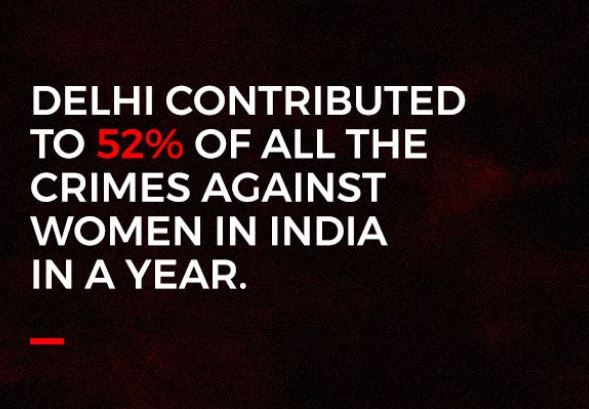
Capital itself is proof how , women security is at stake . just like delhi, other metro cities are on same line. although women have started to talking and sharing in public their issues.

Anti-Social Activities

Alcohol and gambling dens and consumption of drugs like charas, ganja and “powder” make women feel uncomfortable and unsafe. The presence of men intoxicated on alcohol and drugs in public spaces creates a feeling of insecurity. Some of them also rob people, including at knife-point. Some engage in robbery to finance their drug habits.

One woman resident explained that she has told her employer that she will come as early as he wants but she will return from work early in the evening as drunk men and men taking drugs hang about the locality. School-going girls in our focus group discussions unanimously expressed a fear of harassment at the resettlement sites, while pointing out that they had never felt fear of harassment in their previous localities since those areas were populated with  diverse types of people and activities, even late into the night

Solutions

Political commitment is needed to bring about long-term and systemic change that addresses the actual causes of the problem. There are no easy, rapid solutions; the long road towards gender equality and rights needs to be traversed. Jagori, a feminist organization, has been working to build a holistic framework on ending violence against women in private and public spaces. This framework recognizes that ending violence against women must be addressed through a multi-pronged strategy and must involve a wide range of stakeholders. In addition to the police and law enforcement, urban and transport planners need to engage with women as equal citizens. Further, education systems and the media need to foster an ethos of equality and to challenge patriarchal and anti-women ideologies.

Addressing the police and legal systems is not enough. We need gender-sensitive urban planning, service delivery and governance in order to ensure that our cities and towns are designed in ways that ensure accessibility, safety and inclusion. Unfortunately, more and more cities are losing public spaces and erecting higher walls. Safety audits done across cities in India have shown that effective measures taken on urban planning such as good lighting and “eyes on the street” can make spaces safer. This could include providing seating on the street, and encourage the presence of street vendors and outdoor activities.

The Latest Solution for Women’s Safety in India: The Selfie-Defense Stick

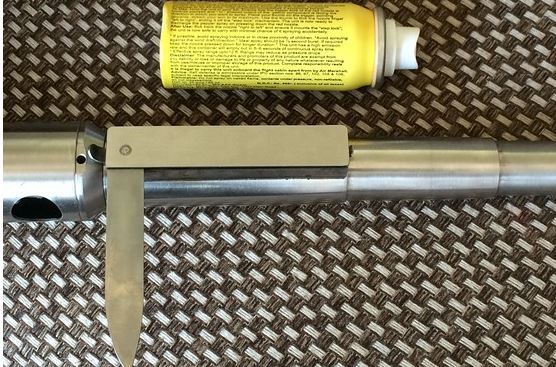
The latest weapon in the arsenal of devices to keep women safe in India is a collapsible baton that combines a Samurai sword design, stun gun, pepper spray, panic button, pen knife, oh and a sewing kit and mirror.

The Samiidha Bhavani – named after the Indian Hindu goddess of valor —  is the brain child of Pune-based orthopedic doctor Pavan Kohli and according to him is the “first fully-legal and complete self-defense device for women.”

Dr. Kohli unveiled the prototype on International Women’s Day on Sunday. Women’s safety has been central to the conversation in India since the the fatal gang rape of a 23-year-old physiotherapy student on a moving bus in Delhi in December 2012.

The device is the outcome of research by sports and martial arts experts from Germany, the U.K., Singapore and Japan and was conceived as an answer to safeguard women following that attack.

Other solution
1. In the first place women should be educated as education widens their horizons and broadens their outlook making them aware of their constitutional and legal rights, reproductive rights, and human rights both in their work and in the social sphere.

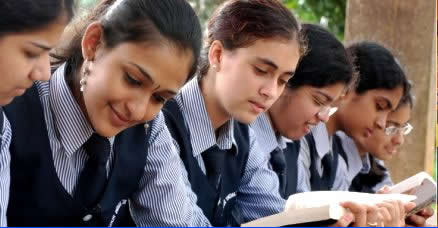
So mass literacy campaigns should be organized on a large scale. Emphasis should be laid on enrollment and retention of the girl child in formal schooling and no- formal education through incentive schemes such as mid day meals, free supply of text books, uniform, school bags, science kits, scholarship and residential and hostel facilities and removal of gender bias in the curriculum.

2. Proper crèches should be made available at or near her place of work for the proper care of her children while she is away to work.

3. A keen interest and sincere attention of government is highly essential to improve the health and nutrition of this vulnerable section of the society. Protection should be given against sexual harassment. Women must not be discriminated upon.

4. Women should change their attitude towards their family members and colleagues. They should respect them, be co-operative and inculcate noble qualities like love, affection, sincerity, faithfulness etc. to maintain smooth relation with them. They should be dressed decently and soberly in the office as well as in the public places.

5. Lastly women should realize that opportunities will not land in their laps. They will have to create them and if need be, fight for them. The women should fight back to restore their dignified position in society. They should thrive hard to enforce their rights and establish due justice, equality in society and work-hard for total elimination of illiteracy, poverty, dowry-ills and all for effective implementation of all women related programmes and laws.

Not all males are ill minded,so its high time for males to stand with women and support them when any female friend or office colleague is facing any such issue .Because it is always said that Society is part of bad and good people and society becomes bad when good ones stop raising their voice.!!!

Author-
Raman Tirpude
BE,MBA student
Central human right commission

Design a site like this with WordPress.com
Get started